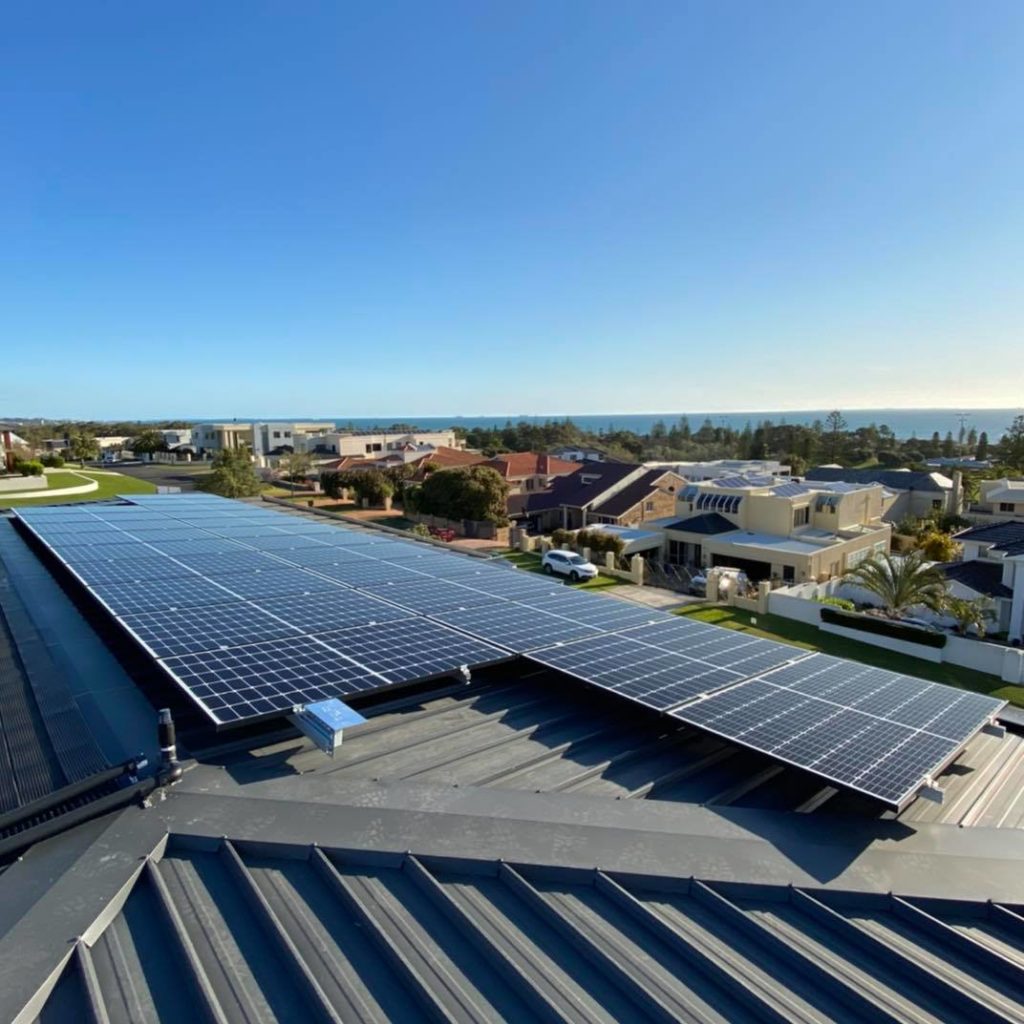

A home battery can store some of the solar power you generate during the day for use later. If you’re considering one, government incentives may help reduce the upfront cost.
The WA Residential Battery Scheme offers a rebate and, for eligible households, access to a no-interest loan. A separate Australian Government incentive may also apply.
Each scheme has its own rules. Before accepting a quote, it helps to understand the rebate amounts, equipment requirements and your commitment to a virtual power plant.
How Do WA Battery Rebates Work?
The WA Residential Battery Scheme offers eligible households a rebate based on the battery’s usable capacity, up to 10 kilowatt-hours (kWh).
For eligible customers, the WA rebate is:
- Synergy: $130 per kWh, up to a maximum of $1,300
- Horizon Power: $380 per kWh, up to a maximum of $3,800
A battery larger than 10 kWh may still be eligible, but the WA rebate is capped at the relevant maximum.
For example, an eligible Synergy customer installing a battery with 10 kWh of usable capacity could receive the maximum $1,300 WA rebate.
For a South West overview, see our WA battery rebate information.
Can You Receive Federal Support Too?
Eligible households may also receive support through the Australian Government’s Cheaper Home Batteries Program.
The federal incentive is calculated separately using Small-scale Technology Certificates, or STCs. Its value depends on the battery and installation date. It may be included as an upfront discount in your quote.
Ask your provider to show the WA rebate and federal discount separately, along with the final amount you would pay.
Who Is Eligible for the WA Battery Rebate?
The WA scheme has requirements for the applicant, property, battery and installation.
Key requirements include:
- Being an eligible Synergy or Horizon Power customer
- Being at least 18 years old and a permanent resident of Australia
- Having an eligible residential property in WA
- Installing eligible equipment with at least 5 kWh of usable battery capacity
- Using an approved scheme vendor and appropriately accredited installer
- Joining an eligible virtual power plant product
- Having an ongoing internet connection for the system
Eligible rental and investment properties may also qualify, provided the required permissions and conditions are met.
This is a summary, not the full list of rules. Check the WA Government’s eligibility requirements before making a decision.
No-Interest Loans for Eligible Households
The WA Residential Battery Scheme also offers no-interest loans of up to $10,000 for eligible households.
The loan has separate conditions from the rebate. These include a household income requirement and an assessment by the scheme’s loan provider.
A loan still needs to be repaid. Before applying, ask what costs can be included, the repayment term and whether any late fees apply.
Understanding Virtual Power Plants
A virtual power plant, or VPP, connects participating batteries so they can help support the electricity system.
To receive the WA battery rebate, you must join an eligible VPP product. Depending on your agreement, the VPP provider may manage when your battery charges or discharges.
The VPP product determines the conditions, payments and how your battery is managed. Before joining, ask:
- How often might the provider manage my battery?
- What payments or credits are available?
- Can I set aside energy for my home?
- What happens if I leave the VPP?
- What internet connection does the system need?
Read the agreement before signing so you understand how it will work for your household.
The Federal Cheaper Home Batteries Program
The federal Cheaper Home Batteries Program can reduce the upfront cost of an eligible battery through STCs.
The federal rules are separate from the WA scheme. Among other requirements, an eligible battery must be installed with a new or existing solar PV system, use approved equipment and be installed by an appropriately accredited installer.
The number of STCs depends on usable battery capacity and the applicable calculation for the installation date. Support is calculated on up to the first 50 kWh of usable capacity, with different rates applying to portions of larger systems.
The calculation changes over time. Your quote should explain the discount being applied rather than relying on an old rebate example.
See the Clean Energy Regulator’s solar battery guidance for current requirements.
Why Consider Battery Storage?
A battery may offer benefits beyond the upfront incentive. Whether it is worthwhile depends on your home, electricity use and the system you choose.
1. Use more of your solar power
A battery can store some excess solar energy generated during the day for use later, including in the evening.
2. Reduce reliance on grid electricity
Using stored energy may reduce the amount of electricity you buy from the grid. Actual savings depend on your solar production, battery use and tariff.
3. Consider backup during outages
Some battery systems can provide backup power when the grid goes down. This requires suitable equipment and wiring. Ask which circuits and appliances would be supported before accepting a quote.
4. Participate in a VPP
A VPP can coordinate batteries to help support the electricity system. Any payments and other benefits depend on the product and its terms.
5. Reduce the upfront cost
Eligible incentives may reduce the purchase and installation cost. A rebate alone does not determine whether a battery is a good investment, so ask for an estimate based on your household’s energy use.
How MaxSolar Can Help
MaxSolar is based in Vasse and works with households across the South West, including Busselton, Dunsborough and Margaret River.
If you’re exploring battery storage, the team can discuss your existing solar system, energy use and the type of battery setup you’re considering.
A useful starting point is a recent electricity bill and, if available, information about your current inverter and solar system.
Important Considerations Before You Apply
Before committing to a battery, check:
- Eligibility: Do you meet the requirements for each incentive in your quote?
- Equipment: Are the battery and other relevant components approved for the applicable scheme?
- VPP: Which product will you join, and what are its terms?
- Existing solar: Does your current system need any changes to support the battery?
- Backup: Is outage backup included, and which circuits will it supply?
- Final price: Does the quote show each incentive and any extra work clearly?
- Installation date: Could a change to the date affect the federal incentive?
If you’re adding a battery to an existing system, our guide to AC-coupled and DC-coupled batteries explains two common connection options.
The WA Government advises customers to obtain quotes from approved battery scheme vendors. Check the current scheme information for the application process and vendor directory.
Frequently Asked Questions
Is the WA battery rebate available now?
The WA Government says applications are open and the scheme will operate until its allocated rebates have been distributed. Availability and conditions can change, so check the current scheme information before applying.
Can I combine the WA and federal incentives?
You may be able to receive both if your household and installation meet the requirements of each scheme. The amounts are calculated separately.
What size battery should I get?
The right size depends on your electricity use, solar production, budget and whether you want backup power. Review your usage and discuss your goals before choosing a battery.
Do I need solar panels to qualify?
For the federal battery incentive, the eligible battery must be installed with a new or existing solar PV system. Check the WA scheme’s separate requirements with an approved vendor for your proposed setup.
How do I apply for the WA battery rebate?
The WA Government says an approved battery vendor submits the application on your behalf. The vendor should explain the equipment, VPP and application requirements before you proceed.
Ready to Explore Your Battery Options?
A battery is a long-term decision. The best place to start is with your home, your energy use and what you want the system to do.
Contact MaxSolar to discuss battery options for your South West property.