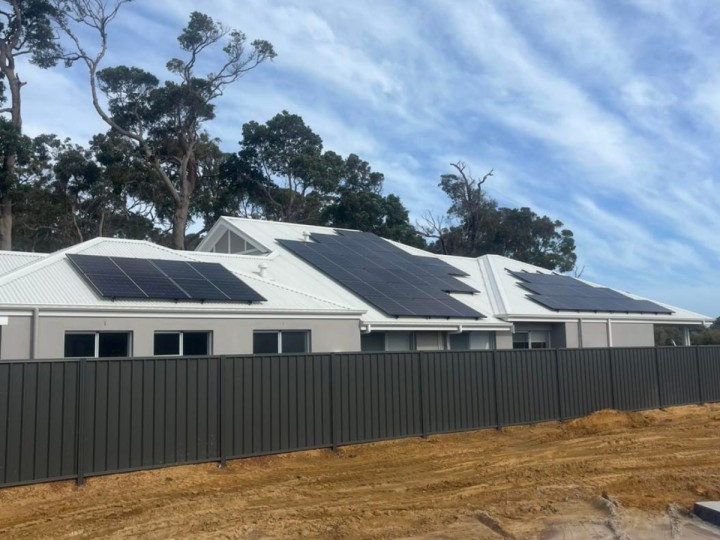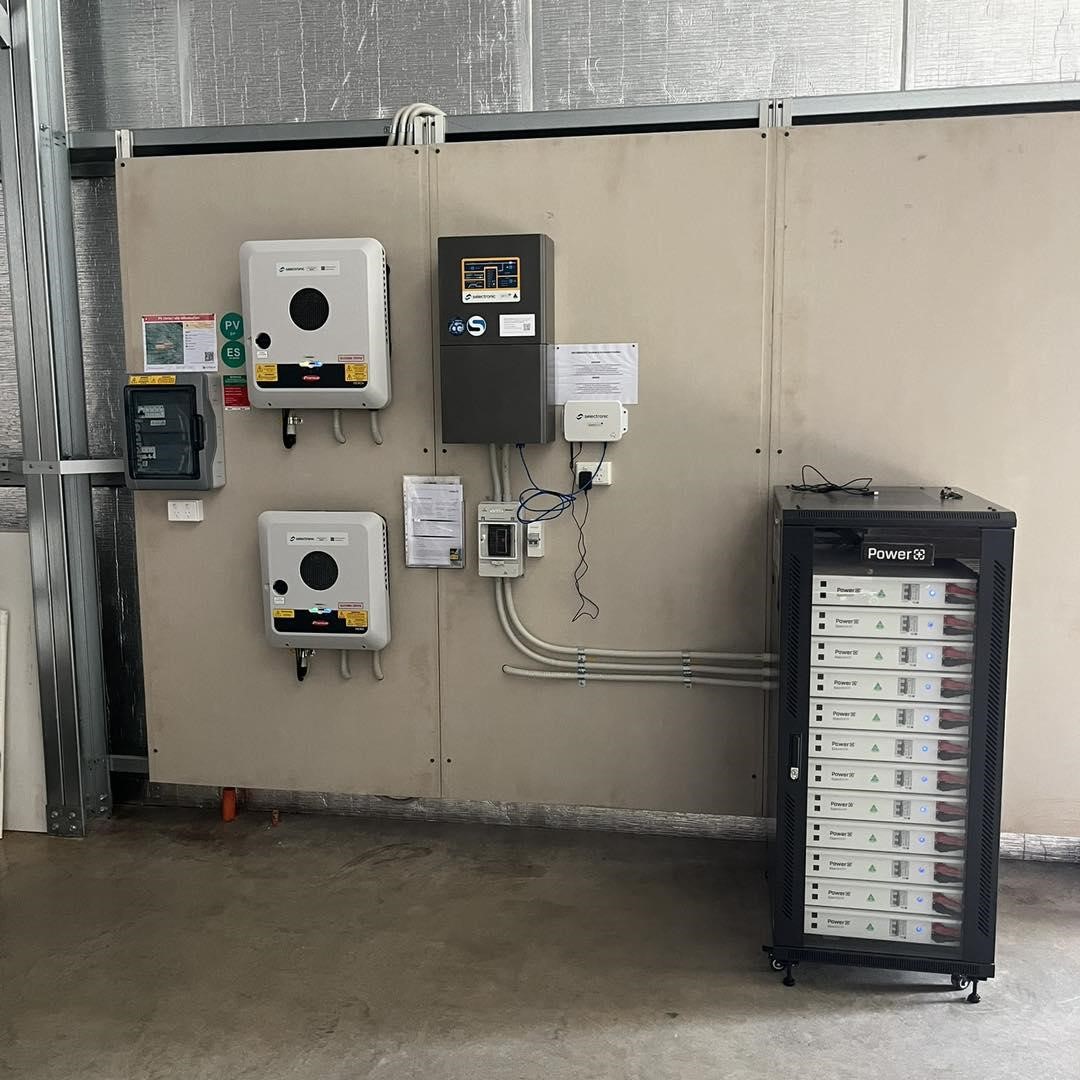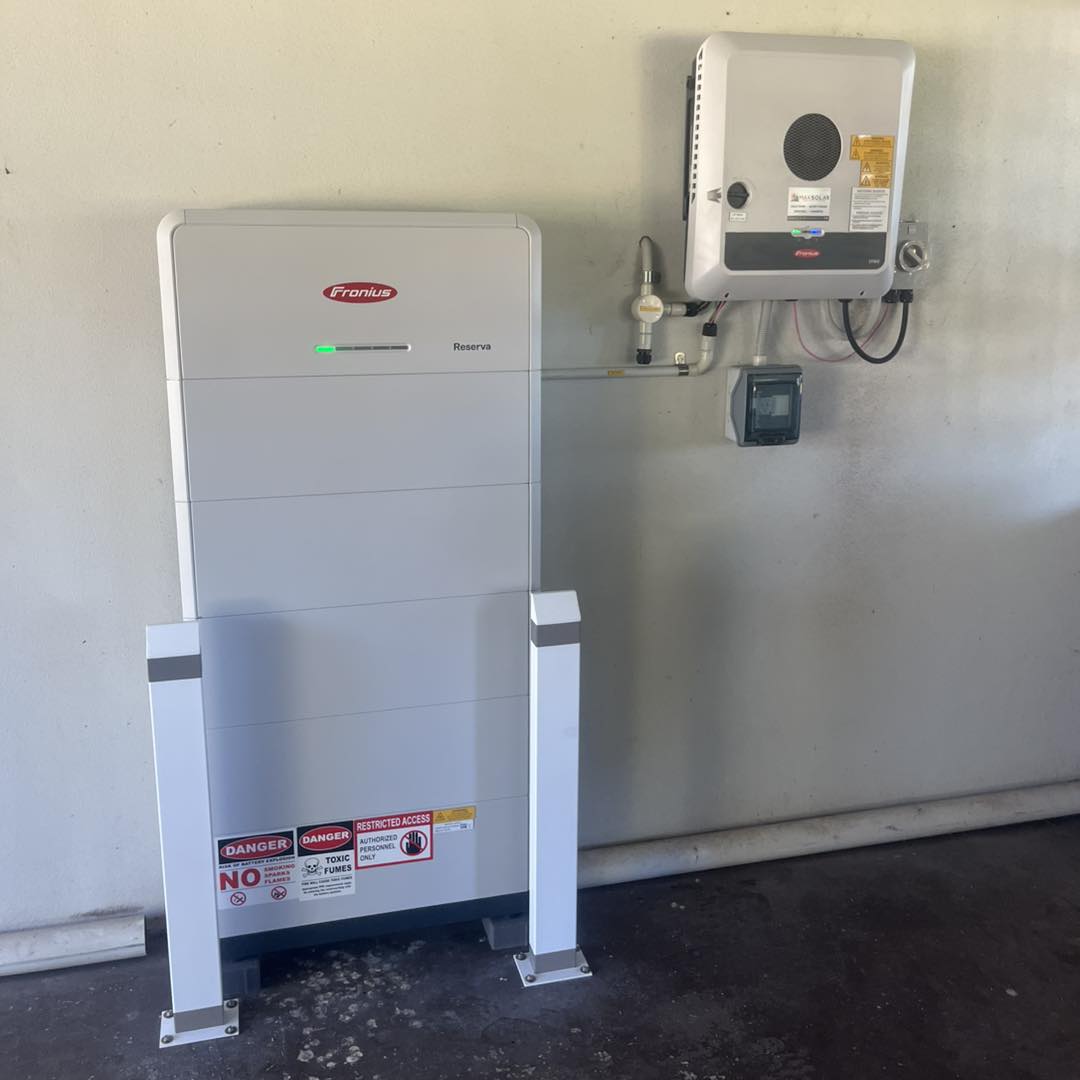

- Five cabins, a steep Ferguson Valley block and a plan to operate entirely off grid. A current MaxSolar project brings together some of the biggest questions facing rural accommodation owners: how do you provide dependable electricity, manage costs and keep guests comfortable without a mains connection?
The owners are building five cabins for Airbnb accommodation, with cost a key reason behind their decision to go off grid.
For anyone considering an off grid power system in the South West, this project highlights why planning needs to start well before the panels go on.
Why Consider Going Off Grid?
Connecting a rural development to mains electricity can involve more than arranging a meter. Depending on the property, connection works, trenching and distributing power across the site could become substantial expenses.
On a steep block, access and excavation may add further complexity.
That makes comparing grid connection costs with an independent power supply a worthwhile exercise. However, off grid does not automatically mean cheaper.
The Australian Government’s solar design guidance explains that off-grid systems have higher upfront costs, but can make financial sense where connecting to the network is particularly expensive. Maintenance, generator fuel and future equipment replacement also need to enter the calculation.
The First Challenge: Working With a Steep Site
The Ferguson Valley property’s steep terrain is an important consideration.
Before deciding where equipment should go, the design needs to account for:
- 1. Safe access for installation and future servicing.
- 2. Suitable locations for panels, batteries and associated equipment.
- 3. Cable distances between the power system and cabins.
- 4. Shading from trees, hills or neighbouring structures.
- 5. Drainage and protection from water runoff.
One question to assess is whether a shared system or separate cabin systems would best suit the development. That decision needs to reflect the layout, electrical demand, maintenance requirements and budget.
Five Cabins Mean More Than Five Fridges
Accommodation brings a different challenge from powering a private home: guests have different routines.
Imagine several cabins switching on heating, boiling kettles and preparing dinner at once. The system needs to handle that combined demand, alongside the total electricity used throughout the day.
Potential loads to assess include:
- 1. Heating and cooling.
- 2. Hot water and cooking appliances.
- 3. Refrigeration, lighting and power points.
- 4. Water pumps and wastewater equipment, where required.
- 5. Laundry and cleaning between bookings.
6. Designing around quiet weekdays could leave the property short when every cabin is occupied.
Choosing efficient appliances and well-insulated buildings early can help reduce the demand the power system must meet.
Will Storm-Related Power Outages Be an Issue?
A fully off-grid property operates independently of the electricity network. An outage affecting nearby mains-connected properties would therefore not directly disconnect the cabins.
Western Power identifies greater resilience to severe weather as a benefit of stand-alone systems, because they reduce dependence on exposed network powerlines.
However, independence from the grid does not guarantee uninterrupted electricity.
Prolonged cloudy weather can reduce solar generation while guests continue using power. Storm damage or a fault in the property’s own equipment could also interrupt supply.
Battery storage, suitable backup generation, equipment protection and an agreed response to faults all deserve attention during design.
Planning for Winter and Ongoing Operation
An off-grid system needs to work through periods of low solar production. Batteries supply stored electricity, while a backup generator can support the system when that storage runs low. Generator use does not prevent a property from being off grid; it means the property has another independent energy source.
For accommodation, generator noise, fuel access, servicing and monitoring should be considered alongside electrical capacity.
MaxSolar is a locally owned, family-operated South West business with more than 10 years of industry experience. Our off-grid solutions start with understanding the property and how its power will be used.
Planning a rural home or accommodation development? Talk to Matt before finalising your electrical plans.
Frequently Asked Questions
Can solar power run five off-grid cabins?
Yes, with appropriately sized solar generation, batteries, inverters and backup arrangements. Capacity depends on appliances, occupancy and simultaneous demand.
Will the cabins lose power during a network blackout?
A fully independent system can continue operating during a network blackout, provided its own equipment and energy supply remain available.
Does an off-grid property need a generator?
Often, yes. A generator provides backup during extended cloudy periods or when demand exceeds available solar generation and battery storage.
Is steep land unsuitable for off-grid solar?
Not necessarily. Access, shading, equipment placement and cable routes need assessment before a suitable design can be recommended.
Is off grid always cheaper than connecting to mains power?
No. Compare the actual connection quote with installation, maintenance, fuel and replacement costs over the system’s expected life.