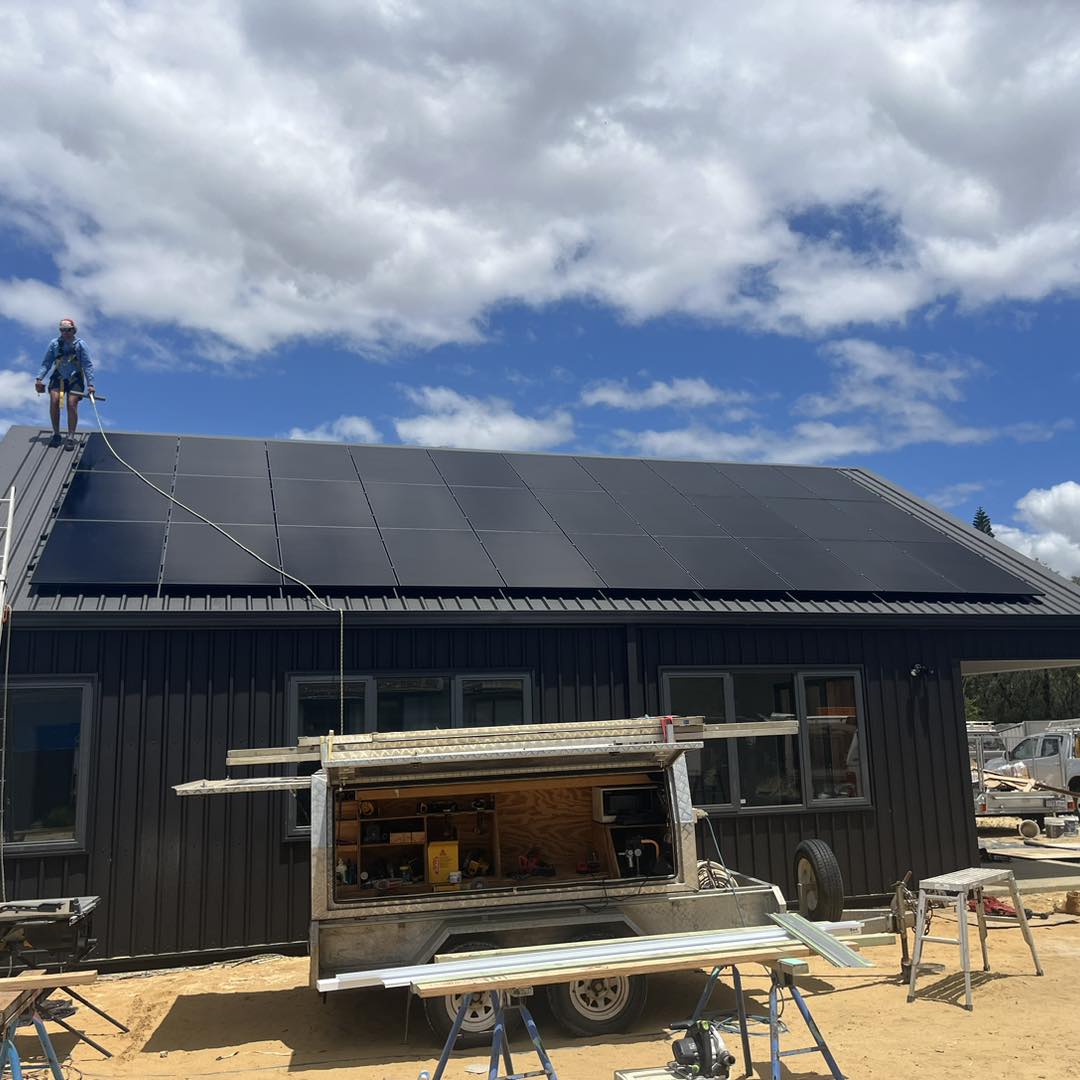

Solar panels can reduce the amount of electricity you buy from the grid. They do not usually remove your electricity bill altogether.
The main reason is timing. Your panels make power during daylight hours, but your home uses electricity all day and night.
Understanding this flow makes it easier to read your bill and choose a solar system that suits your household.
How solar power is used in your home
During the day, your solar panels generate electricity when there is sunlight.
Your home uses this solar power first. If the panels are producing more electricity than your home needs at that moment, the extra power may be exported to the grid.
If your home needs more electricity than the panels are producing, it imports power from the grid.
This can happen:
- 1. Early in the morning
- 2. In the evening
- 3. Overnight
- 4. On heavily overcast days
- When household demand is higher than solar production
For example, running an air conditioner, oven, pool pump and washing machine at the same time may use more power than your system is generating.
Will you still receive an electricity bill?
Yes, most solar households still receive an electricity bill.
Your bill may include:
- 1. Daily supply charges
- 2. Electricity imported from the grid
- 3. Credits for eligible solar power exported to the grid
- 4. Other fees or adjustments that apply to your account
Solar can reduce grid imports, especially when you use electricity while your panels are producing power. However, the final bill depends on your household’s energy use, tariff, solar production and export arrangements.
It is best not to assume that solar will result in a zero bill.
What happens when you export solar power?
When your system produces more electricity than your home is using, the excess may be exported to the grid.
Eligible WA customers may receive payments for exported electricity through the Distributed Energy Buyback Scheme, known as DEBS. The payment rate can vary by retailer and time of export.
Export payments are usually lower than the price you pay to import electricity from the grid. This is why using more of your solar power at home can be just as important as exporting it.
For current eligibility, rates and conditions, check the WA Government’s DEBS information and your electricity retailer’s terms.
Why using solar power during the day matters
Using your own solar power as it is generated is often called self-consumption.
You may be able to increase self-consumption by running suitable appliances during daylight hours. This could include:
- 1. Washing machines
- 2. Dishwashers
- 3. Pool pumps
- 4. Electric hot-water systems
- 5. Air conditioning
- 6. EV charging, where suitable
The best approach depends on your household routine and electricity needs. Avoid changing how you use appliances if it is not practical or safe for your home.
How a solar battery can change the picture
A battery can store some electricity generated during the day for later use.
This may help households that use more electricity in the evening, when solar panels are no longer producing power.
A battery does not create extra solar energy. It stores energy that your system has already generated or, depending on the setup, electricity supplied from the grid.
Whether a battery is right for you depends on your electricity use, solar system, tariffs, goals and budget. It is also important to ask whether the proposed system includes backup power during an outage, as this is not standard for every battery setup.
Learn more about solar battery systems before deciding whether storage suits your home.
What affects your electricity bill after solar?
Solar savings are different for every home. Key factors include:
Your daytime electricity use
Homes that use more power during the day may use more of their own solar generation.
Your solar system size and design
A suitable system should consider your roof, shade, electricity use and future plans. A larger system is not always the best answer.
Weather and seasons
Solar output changes with weather and daylight hours. Summer and winter production can look quite different.
Your electricity tariff and export arrangement
Your retailer’s charges and export terms affect how imported electricity and exported solar power appear on your bill.
Changes at home
A new pool, electric vehicle, air conditioner or larger household can change how much electricity you use and when you use it.
How to read your bill after solar is installed
Your electricity bill should show the amount of power imported from the grid. If you receive an export payment, it may also show the solar electricity exported during the billing period.
A useful way to review your bill is to compare it with your solar monitoring app.
Look at:
- 1. Solar energy generated
- 2. Electricity used by your home
- 3. Electricity imported from the grid
- 4. Electricity exported to the grid
- 5. Any export credit shown on the bill
Solar monitoring and electricity bills measure different parts of the system, so the numbers may not match exactly. Your monitoring app shows system generation. Your retailer’s bill records electricity imported from and exported to the grid.
Questions to ask before installing solar
Before choosing a system, ask:
- 1. How has the system size been based on my electricity use?
- 2. How will roof direction and shade affect the design?
- 3. What monitoring is included?
- 4. How will solar exports be handled by my retailer?
- 5. Can the system support a future battery?
- 6. What is included in the installation and connection process?
A clear answer to these questions can help you compare quotes and understand what you are buying.
Speak with MaxSolar about your home
A solar system should suit your roof, energy use and future plans.
MaxSolar services homes across the South West of Western Australia. If you would like to discuss a solar system for your property, contact MaxSolar to talk through your options.
FAQs
Do solar panels remove your electricity bill?
Not usually. Solar can reduce the electricity you import from the grid, but you may still have supply charges and need grid power when solar production is low.
How do solar export credits work in WA?
Eligible customers may receive a payment for solar power exported to the grid. Rates and conditions depend on the relevant buyback scheme and electricity retailer.
Is it better to use solar power or export it?
Eligible customers may receive a payment for solar power exported to the grid. Rates and conditions depend on the relevant buyback scheme and electricity retailer.
Will a battery reduce my electricity bill?
A battery may help you use more solar energy later in the day. Its value depends on your household’s energy use, system design, tariff and battery setup.