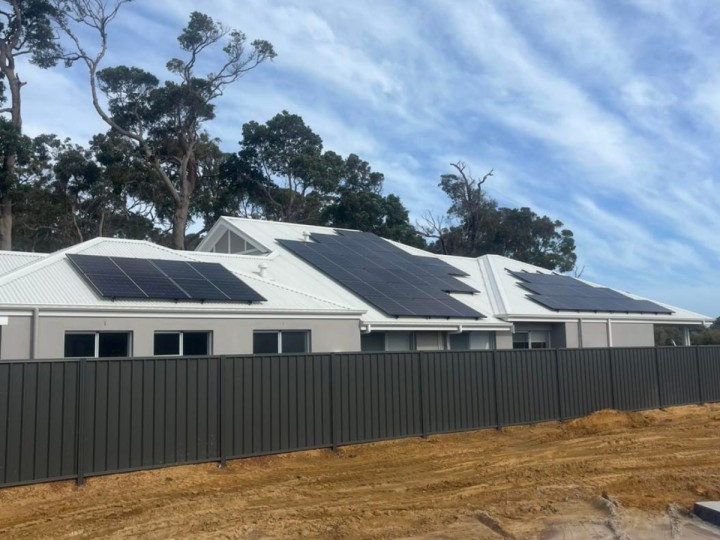

Solar panel maintenance is easy to forget. Your system sits on the roof and does its job each day.
Still, a few simple checks can help you spot problems early. You do not need to climb on the roof or work on electrical parts. You only need to know what to look for.
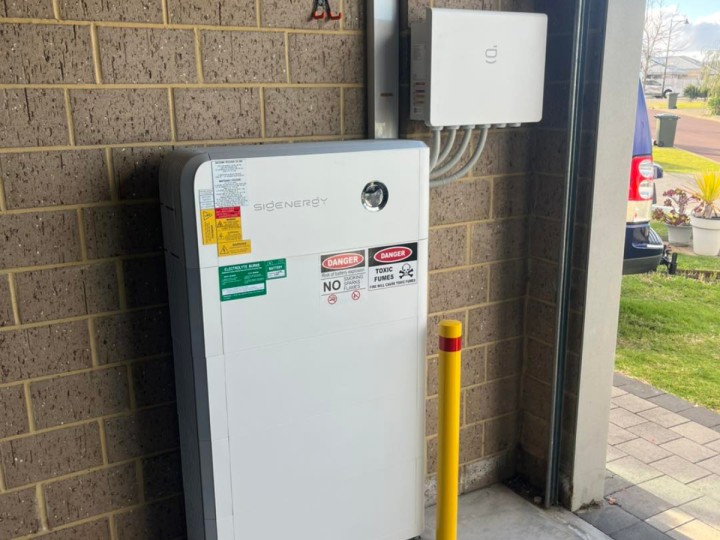
Your solar system has more than panels. It also has an inverter, wiring, mounts and other electrical parts. Each part needs to work well for the system to produce power.
Why solar panel maintenance matters
Your panels face sun, rain, wind and dust all year. Leaves, bird droppings and dirt can build up over time. Trees can also grow and cast new shade across the panels.
These things may reduce the amount of sunlight that reaches the panels.
A solar system can still run when it has a fault. It may just produce less power than usual. Regular checks can help you notice this sooner.
The Clean Energy Council says solar servicing can include panel cleaning, system checks, electrical checks and inverter fault checks. Your installer’s own maintenance advice should guide you too.
A simple maintenance routine
A quick check every few months is a good habit. You can do this from the ground.
Look for:
- 1. Leaves or branches near the panels
- 2. New shade from trees or nearby buildings
- 3. Heavy dirt or bird droppings
- 4. Visible damage to panels or equipment
- 5. Error messages on the inverter
- 6. Changes in your monitoring app
Do not climb onto the roof to inspect or clean the system. Roof work can be dangerous. Solar equipment also includes live electrical parts.
Check your solar output
Your system will not produce the same amount of power every day. Cloud, rain and shorter winter days can all affect output.
One low-output day is not always a concern.
However, a sudden drop in output may need a closer look. The same is true if output falls over several weeks without a clear reason.
Compare the system’s output with similar sunny days where you can. Check your monitoring app or inverter display. Look for warning lights, error codes or alerts.
MaxSolar can remotely monitor solar systems and help identify changes in system output.
Keep an eye on the inverter
The inverter is a key part of your solar system. It turns the power made by the panels into power your home can use.
Most inverters have a display, lights or an app that shows how the system is working.
Check for:
- 1. Warning lights
- 2. Error codes
- 3. Repeated shutdowns
- 4. Low or unusual output
Do not ignore an inverter alert because your home still has power. A fault can affect solar output even when the rest of the home has electricity.
If you see an error, arrange a check with a qualified solar professional. Do not try to repair electrical parts yourself.
Do solar panels need cleaning?
Not always. Rain may wash away light dust.
But rain may not remove bird droppings, leaves, salt or heavy grime. These can block sunlight from reaching the panels.
If the panels are easy to reach from the ground, follow the maker’s cleaning advice. Use gentle methods only.
Avoid:
- 1. Harsh chemicals
- 2. Rough brushes or pads
- 3. High-pressure cleaning
- 4. Climbing onto the roof
If the panels are hard to reach, professional cleaning is the safer option.
Clean panels do not always mean a healthy system. The inverter, wiring and connections may still need attention.
Does panel direction matter?
Yes. Panel direction affects when panels get the most sun.
North-facing panels may suit some homes. East- or west-facing panels may suit homes that use more power in the morning or afternoon.
There is no single best layout for every home. Roof shape, shade, space and your power use all matter.
If your household’s power use has changed, you may want to review whether the system still suits your needs. This does not always mean you need a new system.
When to book a professional check
Arrange a solar check if you notice:
- 1. A major drop in power output
- 2. An inverter error or warning light
- 3. Cracked or damaged panels
- 4. Loose or damaged equipment
- 5. New shade over the panels
- 6. Concerns after strong winds or storms
A qualified technician can inspect the full system safely. This may include the panels, inverter, electrical parts and mounting equipment.
For homes in the South West of Western Australia, MaxSolar’s solar panel maintenance service can assess an existing system and help you understand the next step.
Should you upgrade an older solar system?
Older solar panels can still produce power for many years. Their age alone does not mean they need to be replaced.
An upgrade may be worth discussing if:
- 1. Your power needs have increased
- 2. The inverter has faults
- 3. You want to add a battery
- 4. The system is no longer meeting your needs
In some cases, one part may need attention rather than the whole system. A system check can help you make a decision based on its condition and output.
Keep it simple
Solar panel maintenance does not need to take up your weekend.
Check the system from the ground. Watch its output. Take inverter alerts seriously. Keep trees and debris from creating shade where you can do so safely.
If something does not look right, have it checked early. Contact MaxSolar to discuss your solar system.
Solar Panel Maintenance FAQs
How often should solar panels be checked?
A quick visual check from the ground every few months is a good routine. Check for leaves, new shade, heavy dirt and inverter alerts. Your installer may also recommend a maintenance schedule for your specific system.
Do solar panels need to be cleaned?
A quick visual check from the ground every few months is a good routine. Check for leaves, new shade, heavy dirt and inverter alerts. Your installer may also recommend a maintenance schedule for your specific system.
What are the signs my solar system needs maintenance?
Book a professional check if output drops without a clear weather-related reason, the inverter shows an error, panels appear damaged, equipment looks loose or new shade is affecting the system.
Do older solar panels need to be replaced?
Not necessarily. Older panels can still produce power for many years. If your system is not meeting your needs, an assessment can help determine whether one component, such as the inverter, needs attention rather than replacing the whole system.