When planning a new air conditioning installation in Western Australia, homeowners often face a key question, should they choose a split system or a ducted air conditioner. Both offer reliable comfort, but each system operates differently and suits distinct types of homes and electrical setups.
From a licensed electrician’s perspective, understanding how these systems interact with your electrical infrastructure is vital. The decision between ducted vs split aircon WA involves factors like energy efficiency, electrical load, and long-term maintenance requirements rather than simply the cooling capacity.
For a dependable and compliant installation, working with a qualified professional such as MaxSolar’s experienced electricians ensures the system suits both your comfort needs and your home’s technical design.
Understanding the Systems
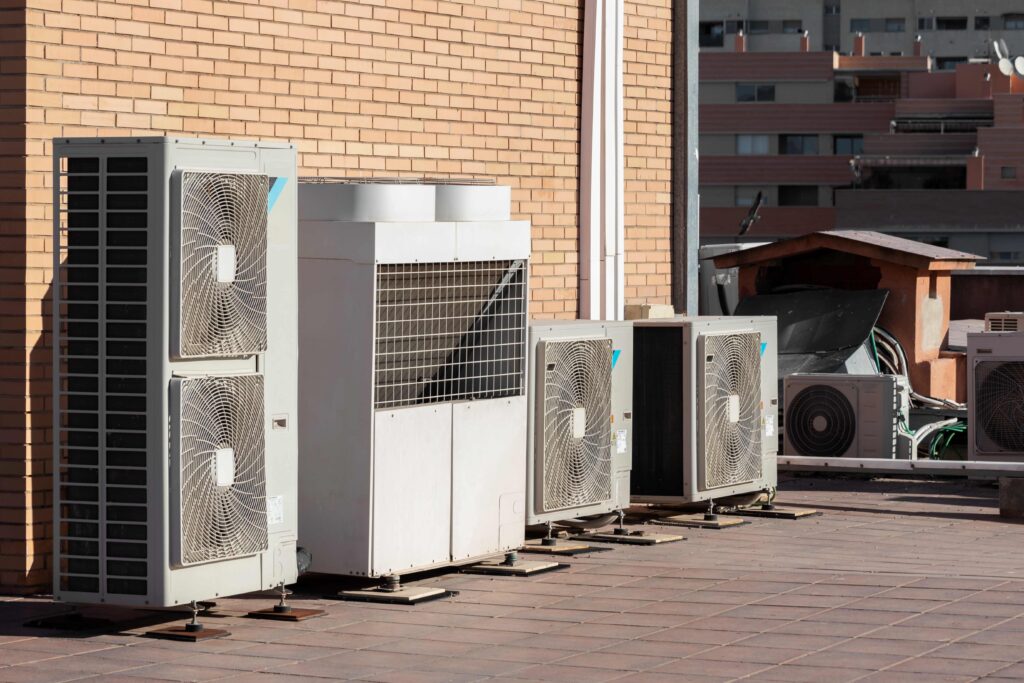
A split system air conditioner consists of an indoor wall-mounted unit connected to an outdoor compressor. These systems are popular for single rooms or smaller homes, allowing temperature control in specific zones.
A ducted air conditioning system uses a central unit, typically installed in the roof cavity, that distributes conditioned air through ducts to multiple rooms. A central thermostat manages temperature, often with zoning features to control different parts of the home independently.
In summary:
1. Split systems provide flexible, room-by-room control
2. Ducted systems offer centralised comfort across larger homes
3. Both are energy efficient when installed with inverter technology
Comparing Key Features
| Aspect | Split System Air Conditioner | Ducted Air Conditioning System |
| Cooling Coverage | Best for single rooms or smaller zones | Suitable for entire homes |
| Energy Efficiency | Efficient for individual spaces | Efficient for multi-room use with zoning |
| Installation Complexity | Simpler and quicker installation | More complex, suitable for new builds or full renovations |
| Electrical Load | Lower load per unit | Higher load, needs proper circuit design |
| Maintenance | Filter cleaning and unit servicing | Duct inspection and zone control checks |
| Appearance | Visible indoor unit | Discreet vents and concealed ducts |
Both systems can deliver impressive comfort when matched correctly to the home’s design and energy goals. The most suitable choice depends on your home layout, power capacity, and how you intend to use the space.
Energy Efficiency and Electrical Performance
Energy efficiency is a leading consideration for most homeowners across WA. Split systems tend to perform exceptionally in smaller environments, using power only where it is needed. This targeted approach is beneficial for homes with fewer occupants or where certain rooms are used more often than others.
Ducted systems excel in larger properties when combined with zoned operation. With zoning, you can direct cooling or heating to specific parts of the home while keeping unoccupied areas off. When paired with inverter technology, ducted systems maintain steady temperatures without frequent on-off cycling, leading to smooth power use and comfort.
Licensed electricians play a crucial role here, ensuring inverter compatibility and correct electrical load distribution. This prevents system strain and maintains compliance with Western Australian standards.
For expert insight into efficient system design and electrical integration, you can explore MaxSolar’s air conditioning services.
Installation Process and Electrical Considerations
The installation process influences performance, safety, and long-term reliability.
For split systems, electricians typically:
1. Mount the indoor unit securely on a load-bearing wall
2. Position the outdoor unit for proper ventilation and noise control
3. Connect refrigerant lines and electrical wiring
4. Set up a dedicated power circuit for safe operation
For ducted systems, the process includes:
- Installing the main unit in the ceiling cavity or underfloor area
- Designing and laying out the duct network for balanced air distribution
- Connecting thermostats, zone controllers, and electrical wiring
- Assessing switchboard capacity to manage higher electrical loads
Proper installation ensures smooth operation and efficient energy use. It also helps maintain the manufacturer’s warranty and supports long-term electrical safety.
Maintenance and Longevity
Regular maintenance keeps both systems performing efficiently. Split systems generally require cleaning the air filters and outdoor coil, while ducted systems need periodic duct inspections and airflow testing.
Key maintenance actions include:
1. Cleaning filters and return air grilles
2. Ensuring vents and ducts remain unobstructed
3. Checking inverter systems for consistent performance
4. Scheduling annual professional inspections
From an electrical perspective, a licensed electrician verifies that all circuits, isolators, and terminals remain in good condition. This not only supports system reliability but also enhances safety and energy stability across your household network.
Rebates and Energy Incentives
Western Australia encourages energy-conscious homeowners to adopt efficient cooling and heating systems. Some rebate programs apply to systems that feature inverter compressors or integrate with solar energy.
Installing an air conditioner with the help of a WA aircon installer experienced in local regulations ensures your system meets eligibility criteria for available incentives. When paired with solar, inverter-based systems can use daytime renewable energy, further improving sustainability and reducing grid reliance.
Electrical Load and System Compatibility
Every air conditioning system draws power from your home’s switchboard. Understanding and managing this electrical load ensures stability and safety.
Split systems have a lower per-unit load, but installing multiple units can collectively increase total demand. Ducted systems require a single high-capacity circuit to handle the central compressor and fan system.
Electricians perform load assessments before installation to confirm that your switchboard and wiring can support the required power. If needed, minor upgrades ensure seamless performance and compliance with electrical codes.
A properly balanced load protects your system from voltage drops, enhances energy efficiency, and supports future upgrades such as solar or battery integration.
Inverter and Smart Control Integration
Inverter technology has significantly improved both comfort and efficiency in modern air conditioning. By varying compressor speed to match the exact cooling or heating requirement, inverter systems maintain consistent indoor temperatures while using less energy.
Smart control features add further benefits:
1. Remote operation via smartphone or tablet
2. Custom scheduling for different times of day
3. Integration with home automation and solar systems
When integrated with solar PV, inverters can be programmed to operate during peak daylight hours, maximising renewable energy use. Electricians ensure these systems are installed with proper surge protection and compatible with your existing home automation network.
Which System Suits Your Home
The right system depends on your home’s layout, design, and comfort preferences.
1. Split system air conditioning is well suited to smaller homes, apartments, or single rooms where zoning flexibility is a priority.
2. Ducted systems are ideal for multi-room homes that require even temperature control, discreet air outlets, and centralised management.
If you are building a new home or undergoing a major renovation, ducted systems are easier to integrate seamlessly. For existing homes where minimal disruption is preferred, split systems provide a practical and efficient solution.
For a complete assessment based on your property and power requirements, visit MaxSolar’s team of licensed electricians to learn more about their qualified electrical expertise.
Conclusion
When comparing ducted vs split aircon WA, both systems offer reliable performance, excellent energy efficiency, and long-term comfort when installed by licensed professionals.
A split system delivers flexibility, affordability, and precise temperature control for individual areas. A ducted system, by contrast, provides whole-home comfort and a clean, integrated appearance. The most important factor is ensuring the installation is completed by a professional WA aircon installer who understands load management, zoning, and inverter compatibility.
With expert planning and electrical guidance, you can enjoy a system that meets your comfort goals while supporting sustainable, energy-efficient living throughout Western Australia.
Frequently Asked Questions
1. Which system is more energy efficient for WA homes
Both systems are efficient when correctly installed. Split systems excel in targeted spaces, while ducted systems perform best with zoning and inverter features.
2. Can I run multiple split systems in one house
Yes, but your electrician should assess the total electrical load to ensure each circuit remains balanced and safe.
3. How does inverter technology improve air conditioning
It allows the compressor to adjust output smoothly, providing consistent temperatures while reducing energy consumption.
4. How often should I service my air conditioner
An annual service is recommended to maintain efficiency, cleanliness, and safe electrical operation.
5. Why should I hire a licensed electrician for installation
A qualified electrician ensures your system is installed safely, meets compliance standards, and operates efficiently within your home’s electrical design.