Off-grid power systems are increasingly popular for homeowners in Vasse and the wider South West region who want true energy independence. Unlike standard grid-connected systems, off-grid setups require careful planning, a realistic energy assessment, and a clear understanding of your household’s unique needs.
As a local electrician with over a decade of experience installing solar across the South West, I’ve seen firsthand what works and what doesn’t. This guide explains how off-grid solar power systems work, the core components involved, how battery storage affects performance, and the common mistakes you should avoid when considering an off-grid solution for your property.
Introduction to Off-Grid Power System Solutions in Vasse
Off-grid power systems allow a home to operate completely independently from the Western Power electricity network. All your electricity is generated on-site using solar panels and stored in batteries for later use. Because there is no grid backup, your system’s reliability depends entirely on correct design and responsible energy use.
In Vasse, off-grid systems are most commonly considered for rural or semi-rural properties where grid access might be limited, unreliable, or simply too expensive to connect. These systems require a different approach to energy planning compared to standard residential solar panel installations.
What Off-Grid Solar Power Means for Residential Homes
Living with an off-grid solar system means your household is fully responsible for producing, storing, and managing its own electricity. Your energy availability depends on solar generation, battery capacity, and your daily usage habits.
Off-grid systems aren’t designed for unrestricted, wasteful electricity consumption. Instead, they encourage smart, controlled usage and an awareness of peak demand. Seasonal changes, such as reduced sunlight during our South West winters, must also be factored into your energy planning. Understanding these realities is essential before making the leap to an off-grid setup.
Core Components of an Off-Grid Power System
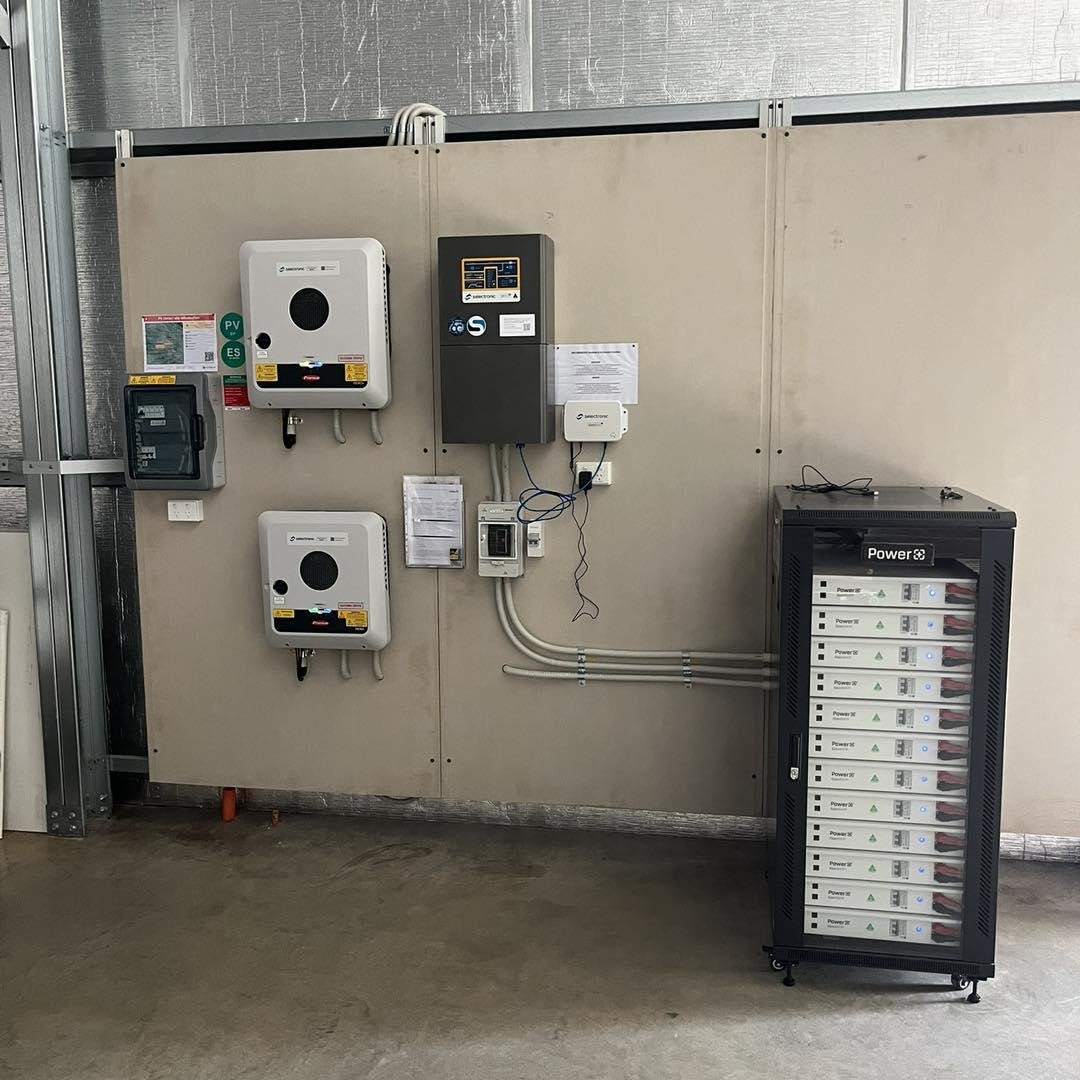
An off-grid power system is made up of several key components that must work together seamlessly.
Solar Panel Array
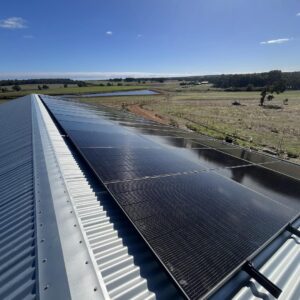
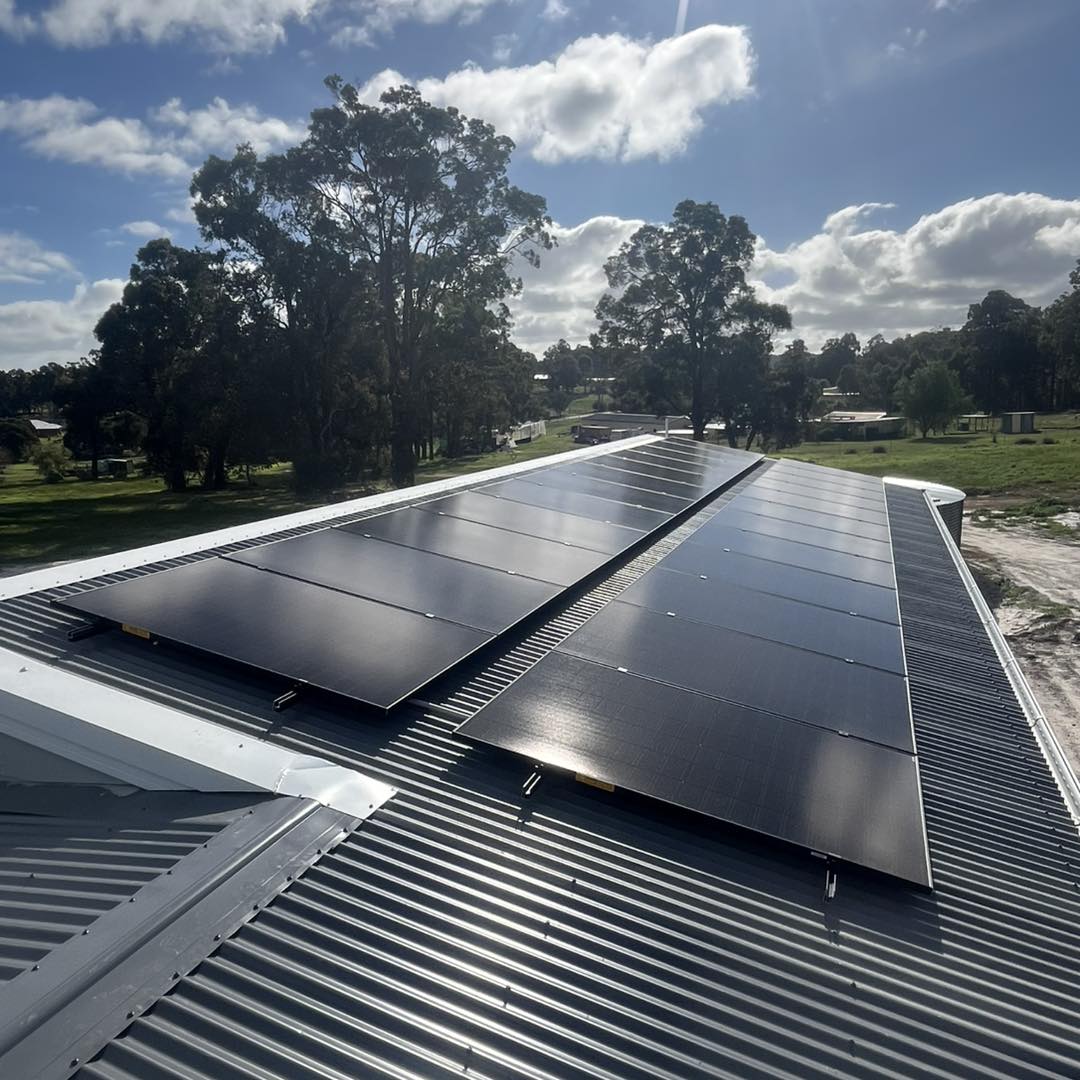
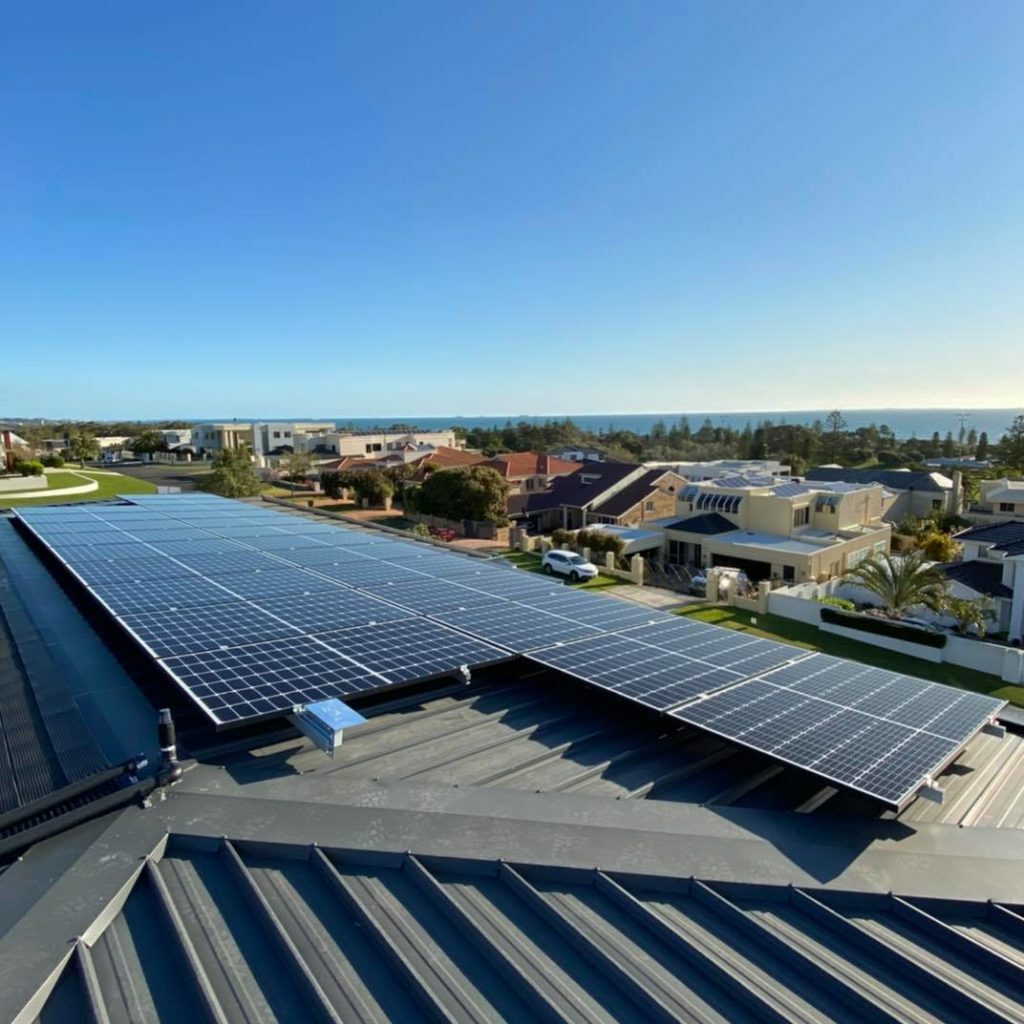
Solar panels generate electricity during daylight hours. Their output depends on roof orientation, shading, system size, and seasonal sunlight availability. Consistent solar exposure is essential for reliable energy production. We always recommend high-quality panels that have stood the test of time in WA’s harsh climate.
Off-Grid Battery System
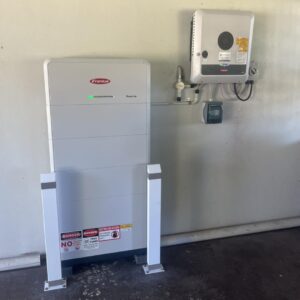
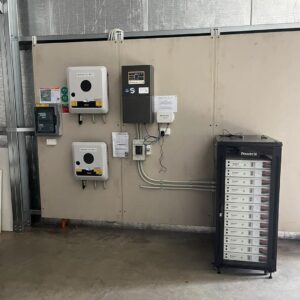
An off-grid battery system stores your excess solar energy for use when the sun isn’t shining. Battery capacity determines how long stored energy can support your household needs during the evenings, nights, or extended cloudy periods. Battery storage is the absolute backbone of any off-grid setup; without sufficient storage, your power supply becomes unpredictable.
Inverter and Energy Management Equipment
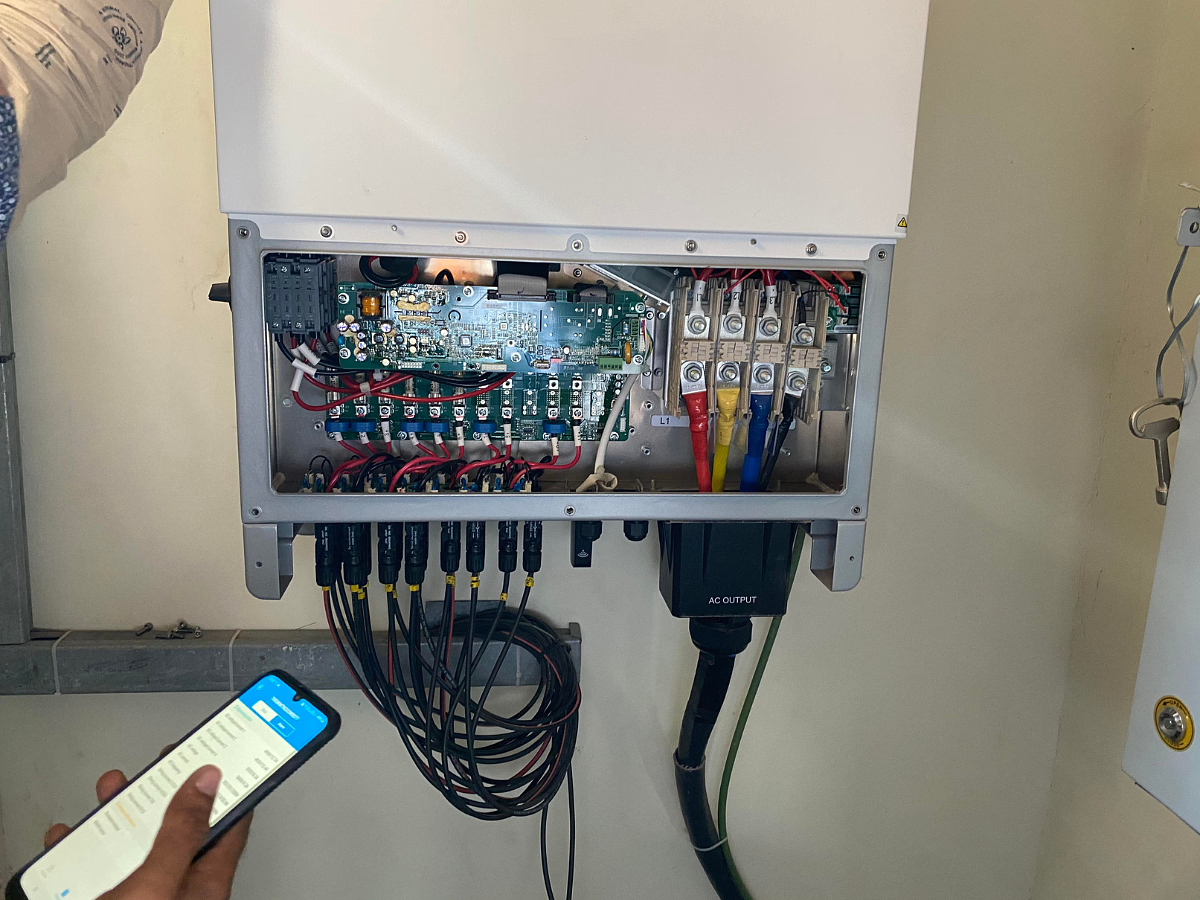
The inverter converts stored DC solar energy into usable AC electricity for your household appliances. Energy management systems help regulate power flow and protect the system from overloads. These components must be perfectly matched and correctly sized to ensure stable performance.
How Off-Grid Power System Solutions Work in Practice
During the day, your solar panels supply electricity directly to your home while simultaneously charging your batteries. Once solar production drops in the late afternoon, your home switches to using the stored energy.
If your battery storage is depleted and solar generation is insufficient, power availability becomes limited. Because there is no grid to fall back on, off-grid systems must be designed around worst-case conditions (like a string of rainy winter days in Vasse) rather than just average sunny days. This highlights why accurate system sizing is so critical.
Battery Storage and Capacity Planning for Off-Grid Homes
Battery capacity is measured in kilowatt-hours (kWh) and defines how much energy you can store. Proper capacity planning is arguably the most important aspect of off-grid system design.
When we design a system, we look at:
- 1. Your average daily electricity consumption
- 2. Essential versus non-essential loads
- 3. Seasonal changes in solar generation
- 4. Expected duration of low-sunlight periods
Oversizing batteries without considering your actual usage can be an unnecessary expense, while undersizing will lead to frustrating power shortages. Balanced planning ensures reliable performance without breaking the budget.
Performance Factors That Matter in Vasse
Several factors influence the performance of off-grid systems in Vasse. Seasonal weather patterns affect solar generation, while temperature and coastal environmental conditions can impact equipment longevity.
Other important performance factors include:
- 1. Appliance energy efficiency
- 2. Load timing (running heavy appliances during the day)
- 3. Battery charging and discharge cycles
- 4. System monitoring and maintenance
Using smart monitoring tools allows you to track energy production and consumption trends, helping you maintain stable long-term system performance.
Common Mistakes to Avoid with Off-Grid Systems
One of the most common mistakes I see is homeowners underestimating their energy usage. Homes transitioning from grid power often overlook just how much electricity is consumed during peak periods.
Another major issue is insufficient battery storage. Without adequate capacity, systems will struggle during extended cloudy conditions. Failing to plan for future energy needs, like adding an EV charger or a new air-conditioner, can also reduce system effectiveness. Off-grid systems require forward-thinking design, which is why dealing with an experienced electrician rather than a pushy salesperson is so important.
Comparing Off-Grid and Hybrid Solar Systems
| Feature | Off-Grid System | Hybrid System |
|---|---|---|
| Grid connection | No | Yes |
| Battery storage | Essential | Optional (but recommended) |
| Energy flexibility | Limited by storage | Greater flexibility |
| Backup power | Self-managed | Grid-supported |
| Typical use | Rural or remote areas | Suburban residential properties |
Hybrid systems maintain grid access while using battery storage, whereas off-grid systems operate completely independently at all times. For more information on government incentives for batteries, check out the WA Residential Battery Scheme.
Typical Use Cases for Off-Grid Power in Vasse
Off-grid power systems are typically best suited for:
- 1. Rural properties without existing grid access
- 2. Locations where Western Power grid extension quotes are prohibitively expensive
- 3. Homes seeking complete energy independence
- 4. Properties with excellent, unshaded solar exposure
In established residential areas of Vasse, grid-connected or hybrid systems are often the more practical and cost-effective choice.
System Monitoring and Long-Term Reliability
Modern monitoring systems provide complete visibility into your energy generation, battery storage levels, and consumption patterns. This data helps you adjust your usage and identify any potential issues early.
Battery lifespan is heavily influenced by how frequently they are charged and discharged (cycled). Responsible energy management supports consistent performance and ensures your investment lasts for years to come.
Is an Off-Grid System the Right Choice for Your Home?
Off-grid systems aren’t suitable for every household. They require a commitment to energy awareness and an acceptance of the system’s physical limitations. For many homes, a hybrid system might provide a better balance between independence and flexibility. Careful evaluation helps ensure the system you choose actually aligns with your real household needs.
Conclusion
Off-grid power systems offer homeowners in Vasse a fantastic way to manage electricity independently, especially when grid access is limited. When designed around realistic consumption patterns, appropriate battery capacity, and local South West conditions, they deliver stable and predictable power.
Off-grid solar isn’t about unlimited power; it’s about smart usage, practical planning, and long-term reliability. By working with MaxSolar, you get honest advice from a local expert to ensure your system is tailored perfectly to your needs. To discuss whether an off-grid solution is the right fit for your property, give Matt a call today.
Frequently Asked Questions
What are Off-Grid Power System solutions?
They are complete solar and battery setups that operate 100% independently from the Western Power electricity grid.
Why is an off-grid battery system important?
Battery storage is your only source of power when the sun isn’t shining. It determines how long electricity is available during the night or cloudy days.
Can an off-grid system power an entire home?
Yes, absolutely, provided the system is correctly sized by an expert and your household energy usage is managed sensibly.
Are off-grid systems common in Vasse?
They are very common in the rural and semi-rural areas surrounding Vasse, Dunsborough, and Margaret River, where grid connections can be difficult or expensive.
Do off-grid systems require monitoring?
Yes, monitoring is crucial. It helps you manage your energy usage efficiently and ensures your system maintains consistent performance over its lifespan.