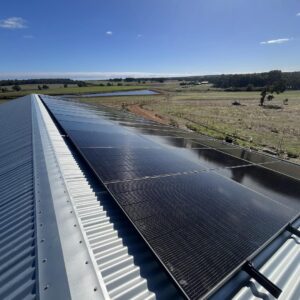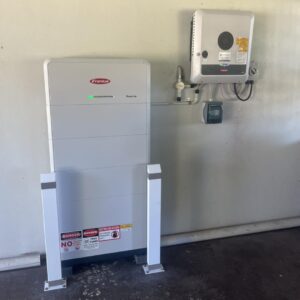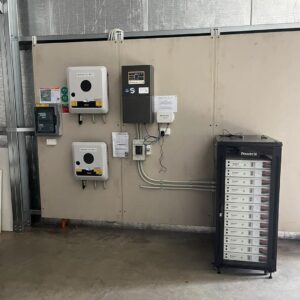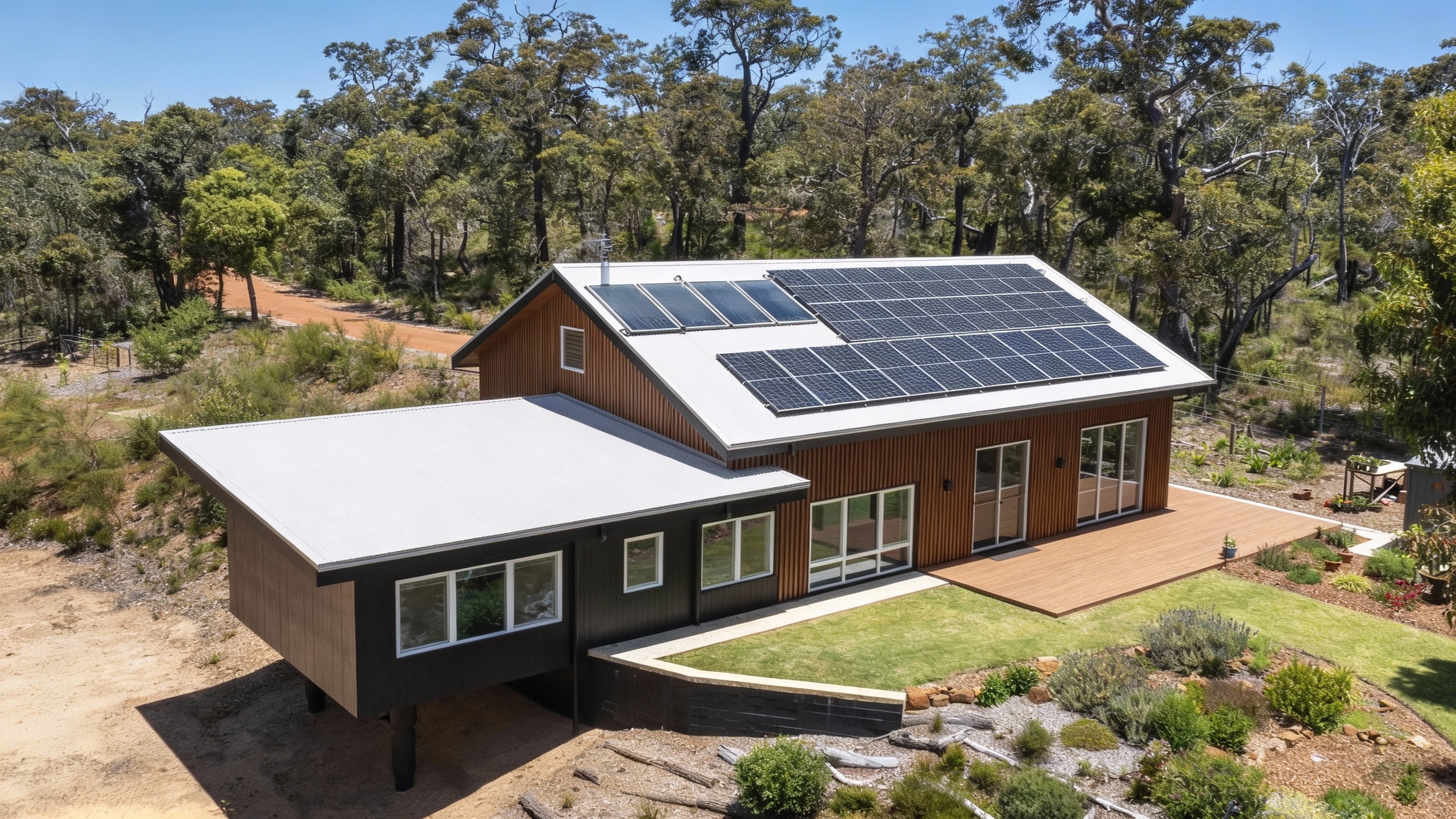
For many properties around Busselton, especially rural blocks, lifestyle properties and homes outside standard town infrastructure, power reliability is a serious consideration. An off grid battery system gives you the ability to generate, store and use your own electricity without relying on the grid.
But off-grid solar is not something you want guessed. The battery size, panel layout, inverter choice and backup strategy all need to be designed around how your household actually uses power.
At MaxSolar, we design and install off-grid solar power systems across Busselton, Vasse and the wider South West. As a local, family-owned solar and electrical business, we focus on practical advice, quality components and systems built for local conditions.
What Is an Off Grid Battery System?
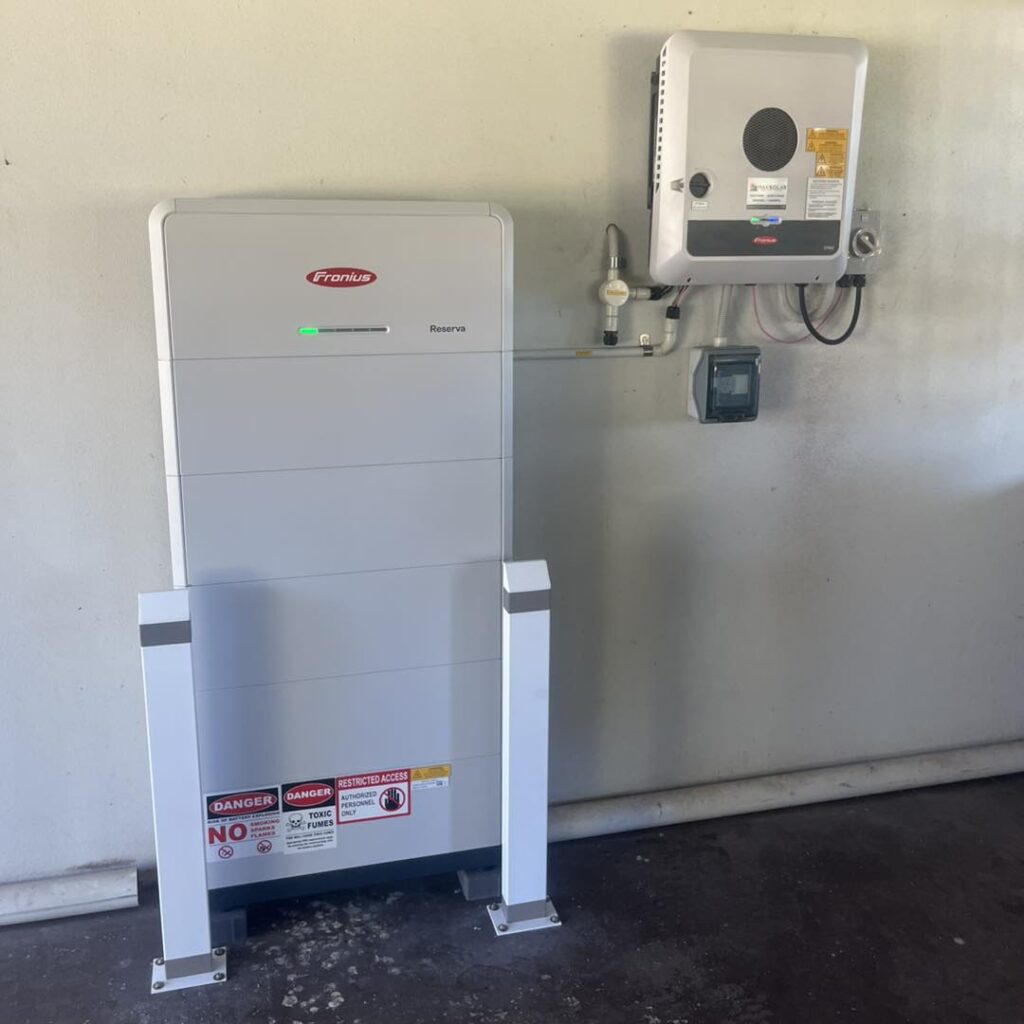
An off grid battery system stores the electricity generated by your solar panels so you can use it when the sun is not shining.
During the day, your solar panels produce power. That power is either used immediately by the home or sent into the battery for later. At night, during cloudy weather or during periods of higher demand, the battery supplies stored energy back to the property.
A complete off-grid system usually includes:
1. Solar panels
2.Battery storage
3.Inverter or hybrid inverter
4.Backup generator, if required
5.Monitoring system
6.Electrical design and switchboard integration
Unlike a standard grid-connected solar system, an off-grid setup needs to be designed to carry the full load of the property. That means sizing matters.
Is Off Grid Solar Suitable for Busselton Homes?
Off-grid solar can work extremely well in Busselton and surrounding areas, but it is usually most suitable for rural, semi-rural and remote properties rather than standard residential homes in town.
For a suburban home already connected to the grid, a solar battery system may be a better option. This allows you to store excess solar power for night-time use while still keeping the grid as a backup.
For properties where grid connection is difficult, expensive or unreliable, a fully off-grid system can make much more sense.
This is why the first step is not choosing a battery. It is understanding the property.
Why Battery Sizing Matters
Battery sizing is one of the most important parts of off-grid design.
If the battery is too small, you may run out of stored power overnight or during cloudy weather. If it is too large, you may spend more than you need to without getting real additional benefit.
The right size depends on:
1.How much electricity your household uses each day
2.When you use the most power
3.Whether you run high-demand appliances
4.How many days of backup you want
5.Your solar panel capacity
6.Whether a generator will be included
7.Your long-term plans for the property
For example, a small home with efficient appliances will need a very different setup to a large lifestyle property running pumps, air conditioning, pool equipment, sheds or workshops.
This is why MaxSolar looks at your home, roof, cable runs, switchboard location and usage patterns before recommending a system. The aim is to give you a fixed-price quote with no surprises on installation day.
How Much Backup Power Do You Need?
Backup power is one of the biggest reasons people consider off-grid solar, but it needs to be understood properly.
A battery does not provide unlimited power. It provides stored power based on its capacity and how much electricity you are using at the time.
Essential loads may include:
1.Fridge and freezer
2.Lights
3.Internet
4.Water pump
5.Key power points
6.Medical or communication equipment
High-demand appliances such as ducted air conditioning, large heating systems, ovens, pool pumps and heavy workshop equipment can drain a battery much faster.
A good off-grid design separates “must-have” power from “nice-to-have” power. This helps make sure the essentials keep running when solar generation is lower.
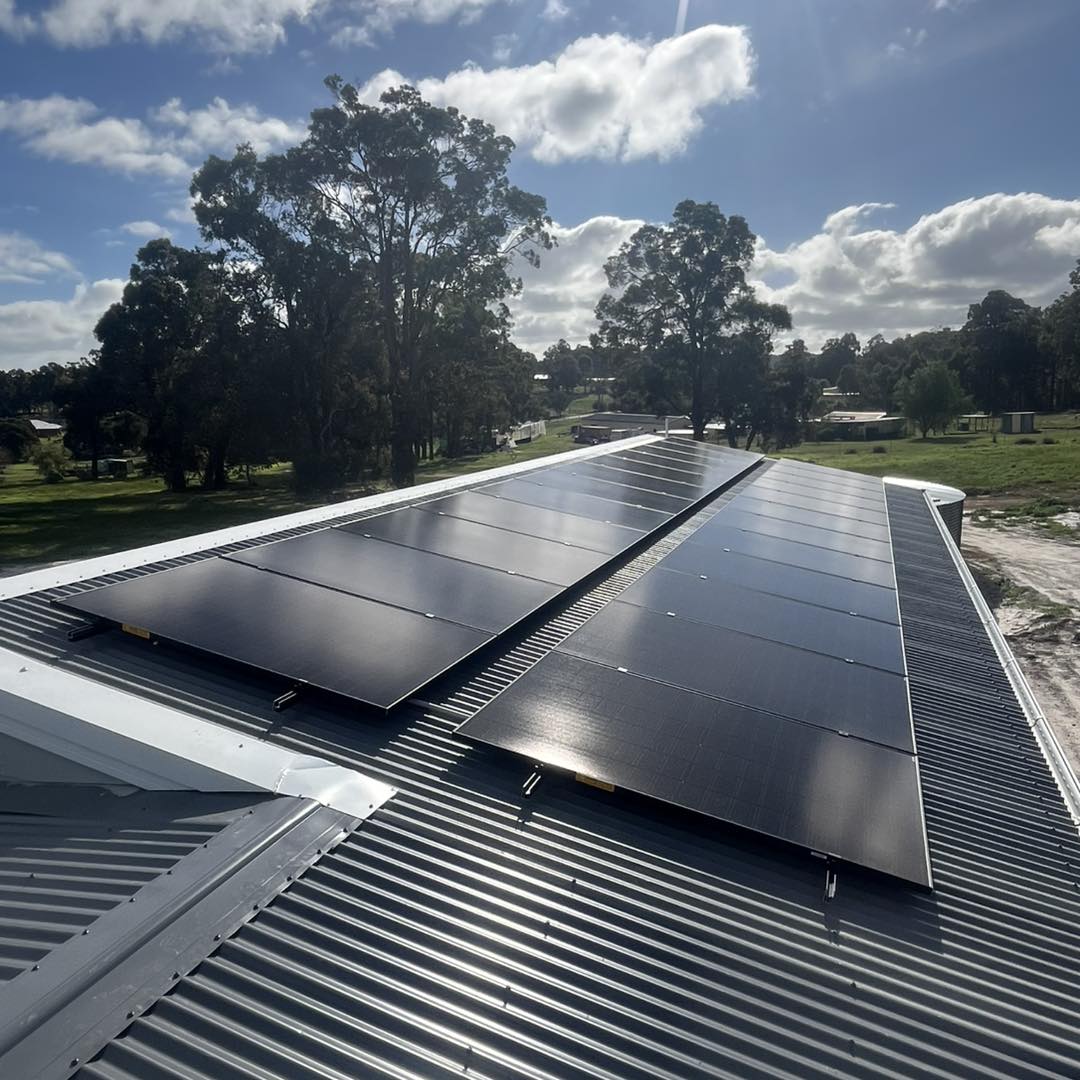
Solar Panel Placement Makes a Big Difference
Battery storage is only one part of the system. Your solar panels still need to generate enough energy to keep the battery charged.
In Busselton and the South West, roof direction, shading and household usage patterns all matter. Some homes perform best with north-facing panels, while others may benefit from east, west or mixed placement to spread solar generation across the day.
MaxSolar designs systems based on how the property uses power, not just what looks neat on the roof. This is especially important for off-grid homes, where poor panel placement can affect battery charging and long-term reliability.
Common Off Grid Battery System Mistakes
Off-grid solar can be a strong long-term investment, but only when it is designed correctly. Some of the most common mistakes include:
Undersizing the Battery
This can leave the home short on stored power overnight or during extended cloudy periods.
Oversizing Without a Clear Reason
A bigger battery is not always better. The system needs to match real usage, not just a guess.
Forgetting About Future Energy Needs
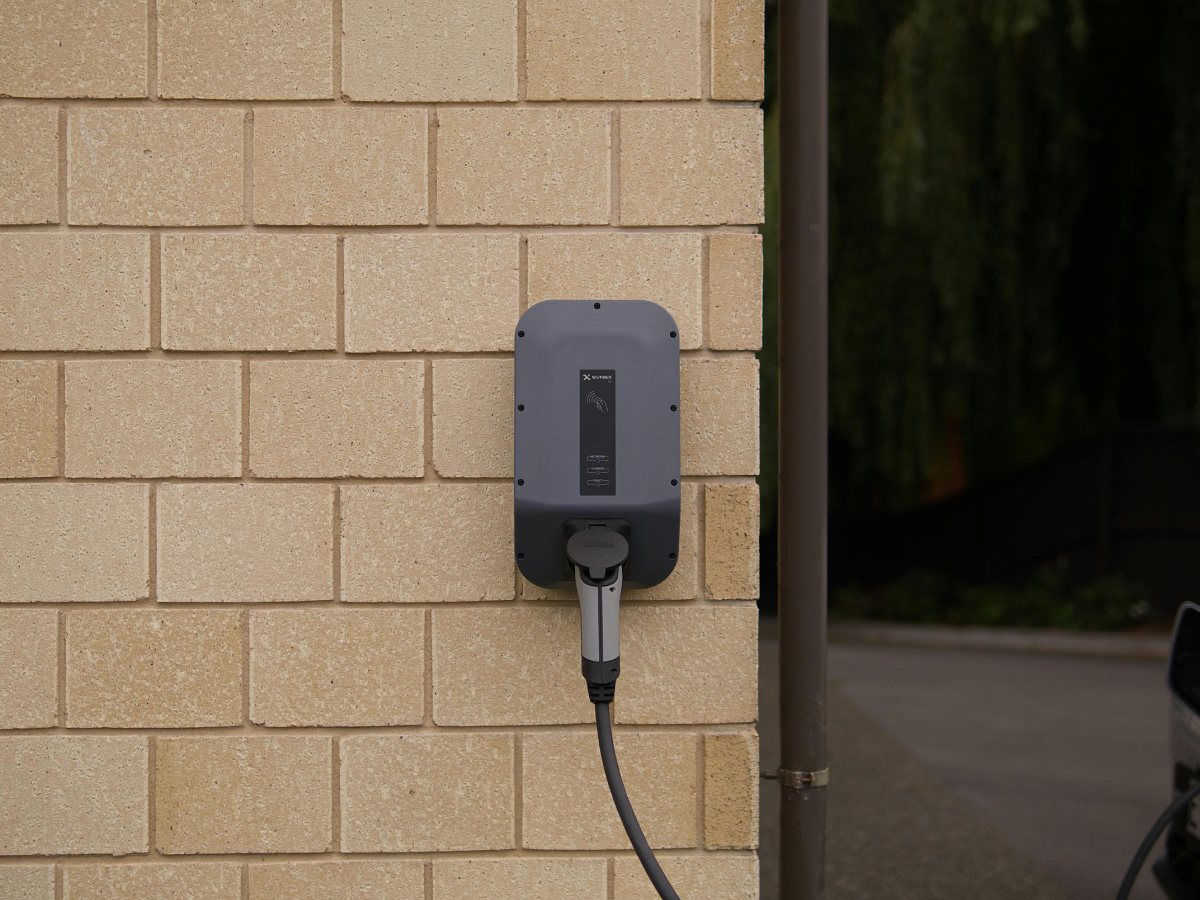
If you plan to add an EV charger, workshop, pool, extra accommodation or new appliances, the system should allow for future expansion.
Not Planning Backup Properly
Even well-designed off-grid systems may need a secondary backup source, particularly for larger properties or higher-demand households.
Choosing Components Based on Price Alone
Off-grid systems work hard. Panels, inverters and batteries need to be reliable, supported and suitable for Australian conditions. The Australian Government recommends checking that batteries are on the Clean Energy Council approved battery list, as this helps confirm they meet relevant safety, product and quality standards.
Grid-Connected Battery vs Off Grid Battery System
A grid-connected battery system and an off-grid battery system are not the same.
A grid-connected battery stores excess solar power and can reduce how much electricity you buy from the grid. Some systems can also provide backup power during outages if they are designed and wired for that purpose.
An off-grid battery system operates independently from the electricity network. It must be able to generate, store and supply the property’s power needs on its own.
For many Busselton homeowners, the best option depends on location, budget, energy use and whether grid connection is practical.
How MaxSolar Designs Off Grid Systems
MaxSolar’s process is built around getting the system right from the beginning.
This includes:
1.Assessing your property and energy usage
2.Reviewing your roof, switchboard and cable runs
3.Choosing suitable panel placement
4.Recommending trusted panels, batteries and inverters
5.Providing three tailored options where appropriate
6.Handling the relevant applications and approvals
7.Installing the system
8.Setting up remote monitoring
The goal is not to sell the biggest system possible. It is to design a solar and battery setup that suits your property, your budget and your long-term energy needs.
You can also explore MaxSolar’s broader solar panel installation services if you are comparing standard solar, hybrid solar and off-grid options.
Maintenance and Monitoring
Off-grid systems should not be installed and forgotten.
Regular monitoring helps track how much power your system is generating, how much your household is using and whether the battery is performing as expected.
Maintenance may include:
1.Checking battery health
2.Monitoring inverter performance
3.Reviewing energy usage
4.Cleaning solar panels when required
5.Inspecting connections and system components
MaxSolar can set up remote monitoring so performance can be checked and issues can be identified early.
Thinking About an Off Grid Battery System in Busselton?
An off grid battery system can be a practical solution for Busselton properties that need reliable, independent power. The key is getting the design right.
Battery size, solar panel placement, backup planning and component quality all affect how well the system performs over time.
MaxSolar is based locally in Vasse and works across Busselton and the wider South West. If you are building, upgrading or exploring whether off-grid solar is right for your property, speak with Matt for honest advice and a system designed around your actual energy needs.
Contact MaxSolar to discuss your off-grid solar options.
FAQ
What is an off grid battery system?
An off grid battery system stores solar energy so your property can use power when the sun is not shining. It is designed to operate independently from the electricity grid.
Are off grid battery systems common in Busselton?
They are more common on rural and lifestyle properties around Busselton than standard residential homes in town. Homes already connected to the grid may be better suited to solar battery storage rather than a fully off-grid system.
How do I know what size battery I need?
Battery size depends on your daily energy use, peak power demand, backup requirements and solar generation. A proper assessment is needed before choosing a system.
Can an off grid system run my whole house?
Yes, but it needs to be designed correctly. High-demand appliances such as air conditioning, pumps and workshop equipment must be considered during the design stage.
Do I need a generator with an off grid solar system?
Not always, but many off-grid systems include generator backup for extra reliability during long periods of poor solar generation or unusually high energy use.