If you’ve been thinking about going solar in Busselton, you’ve probably already noticed the options can feel a bit overwhelming. Grid-tied. Hybrid. Battery storage. Energy management. It’s a lot to take in, especially when you just want to stop wincing every time your Synergy bill lands.
At MaxSolar, we’ve been helping Busselton and South West WA homeowners make sense of solar since 2012. Our director, Matt Gordon, is a qualified electrician with over 15 years of hands-on experience and more than 250 solar installations under his belt. The way we see it, our job isn’t to sell you the most expensive system, it’s to help you pick the right one.
This guide breaks down the two most common solar setups: grid-tied and hybrid systems. We’ll cover what each does, where each one shines (pun intended), and how to figure out which suits your home and lifestyle.
Why Solar Makes Sense in Busselton Right Now
Busselton sits in one of WA’s best regions for solar. The South West gets consistent sunshine year-round, which means your panels are working hard for most of the year, not just summer.
Pair that with electricity prices that have been climbing steadily, and it’s easy to see why more local homeowners are making the move. Going solar gives you more control over your power costs and reduces how much you rely on the grid.
Whether you’re a family looking to cut your quarterly bill or a business wanting to get ahead of rising energy costs, solar is one of the more practical investments you can make in this part of WA.
What Is a Grid-Tied Solar System?
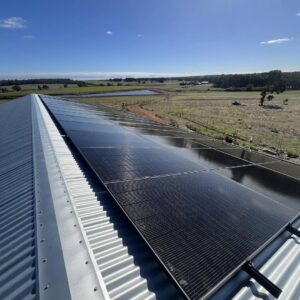
A grid-tied system is the most straightforward solar setup available, and for many Busselton homeowners, it’s a great starting point.
Your solar panels generate electricity during the day. That power runs your home first, your lights, appliances, hot water, everything. Any electricity your panels produce that you’re not actively using gets sent back to Synergy’s grid, and you receive a credit on your bill under the Distributed Energy Buyback Scheme (DEBS).
At night, or on cloudy days when your panels aren’t producing enough, your home draws power from the grid as usual.
Why homeowners choose grid-tied:
- Lower upfront cost, no batteries required
- Simple to install and maintain
- Works well for households that use most of their power during the day
- Still reduces your electricity bill meaningfully
One thing worth knowing: standard grid-tied systems are required to shut down during a power outage due to safety regulations. So if the grid goes down, your solar does too, even if the sun is shining. If backup power matters to you, a hybrid system is worth considering.
What Is a Hybrid Solar System?
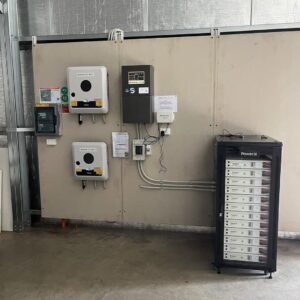
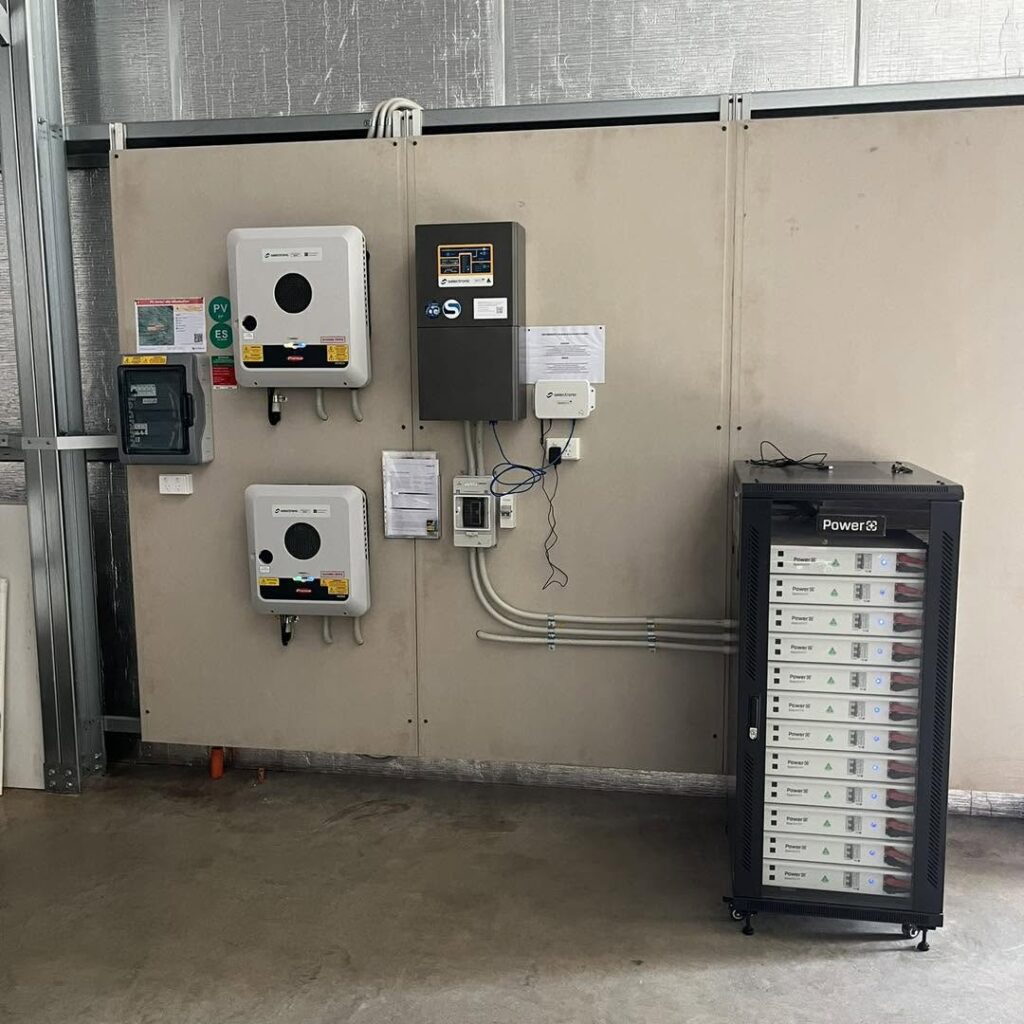
A hybrid system takes everything a grid-tied setup does and adds a battery into the mix.
During the day, your panels power your home as normal. Instead of sending surplus energy straight to the grid, though, a hybrid system stores it in a battery first. Come evening, when your panels have stopped producing, your home draws from that stored energy rather than immediately pulling from the grid.
You’re still connected to Synergy, so you’ve got the grid as a safety net, but you’re using far less of it.
MaxSolar’s solar battery systems are fully customised to suit your home’s usage patterns. Matt will look at your actual consumption data and recommend a battery size that makes financial sense for your situation, not just the biggest one on the shelf.
Why homeowners choose hybrid:
- Use your stored solar energy in the evenings
- Greater energy independence from the grid
- Backup power capability during outages (depending on your inverter and system setup, ask us about this)
- Better long-term protection against rising electricity prices
- Pairs well with EV charging
Grid-Tied vs Hybrid: The Honest Comparison
Here’s where we try to give you the straight answer rather than talking you into something you don’t need.
A grid-tied system makes sense if:
- You use most of your electricity between roughly 8am and 5pm
- You want to reduce your bills with the lowest possible upfront cost
- Backup power during outages isn’t a priority
A hybrid system makes sense if:
- Your household is busiest in the evenings (cooking, TV, charging devices)
- You want to reduce how much you draw from the grid at night
- You’d like the option of backup power
- You’re thinking about adding an EV in the future
One thing that often surprises people: the WA DEBS feed-in tariff for solar exported during the day pays just 2 cents per kilowatt-hour (off-peak). Meanwhile, buying electricity from Synergy costs around 32 cents per kilowatt-hour. That gap is a big reason why storing your solar and using it yourself is so much more valuable than exporting it.
A battery doesn’t just add convenience, it changes the maths of your system significantly.
Making the Most of Your Solar: Simple Tips That Work
No matter which system you choose, a few easy habits can noticeably improve what you get out of it.
If you have a grid-tied system:
- Run your washing machine, dishwasher, and dryer during daylight hours
- Set your pool pump to run between 9am and 3pm
- Schedule your hot water system to heat during the day
If you have a hybrid system:
- Your battery management handles most of this automatically
- You can track your usage through your inverter’s monitoring app
- Matt can set up remote monitoring so we can keep an eye on your system’s performance too
The goal is simple: use as much of your own solar as possible, and buy as little from the grid as you can. That’s what maximises your savings over time.
What About Businesses in Busselton?
Commercial properties tend to use a lot of electricity during business hours, which actually makes them excellent candidates for solar, particularly grid-tied systems.
If your business operates Monday to Friday during daylight hours, a well-sized solar system can offset a significant chunk of your electricity consumption directly. For businesses that also have after-hours energy needs, or want the security of battery backup, a hybrid system is worth exploring.
Beyond the cost savings, a visible commitment to renewable energy is increasingly something customers notice and appreciate.
WA Battery Rebates, Worth Knowing About
If you’re leaning toward a hybrid system, timing could work in your favour. The WA Government currently offers rebates on residential battery storage through the WA Residential Battery Scheme, and there’s also a federal battery incentive available.
These rebates can meaningfully reduce the upfront cost of adding battery storage. We keep our rebates page up to date with what’s currently available, so it’s worth a look before you make a decision.
How MaxSolar Approaches Every Installation
We don’t do one-size-fits-all. When you get in touch with us, Matt will look at your actual Synergy bills, your roof layout, your usage habits, and your goals before recommending anything.
We’re SAA accredited, that means we can design and install your dream solar powered system, and we back every installation with a 10-year workmanship warranty. We also handle the Synergy application and Western Power approvals on your behalf, so you’re not navigating that paperwork alone.
Most importantly, you’ll be dealing with a qualified electrician who’ll give you honest advice, not a salesperson chasing a commission.
Ready to Find Out Which System Suits You?
If you’re weighing up your options, the best next step is a conversation. We offer free, no-obligation quotes for Busselton and across the South West.
Get in touch with Matt and the team →
FAQs
What's the difference between a grid-tied and hybrid solar system?
A grid-tied system connects your solar panels to the electricity grid without battery storage. A hybrid system adds a battery, so you can store surplus solar energy and use it in the evenings rather than buying it back from the grid
Do hybrid solar systems provide backup power during blackouts?
Some do, depending on the inverter and how the system is configured. Not every hybrid setup includes backup capability, it’s worth discussing this specifically when you get a quote.
Is the WA feed-in tariff worth chasing?
The current DEBS off-peak rate is just 2c/kWh, compared to around 32c/kWh to buy electricity from Synergy. For most households, it’s far more valuable to store your surplus solar and use it yourself than to export it.
What rebates are available for solar batteries in WA?
There’s currently a WA state rebate and a federal battery incentive available. Visit our WA Battery Rebates page for current details.
How long does a solar installation take?
Most residential installations are completed in a single day. We handle everything from the Synergy application to final Western Power registration, so the process is as straightforward as possible.