Introduction
Solar Panel Maintenance is essential for anyone owning a solar system in Western Australia (WA), as it ensures ongoing energy savings and long-term sustainability. However, like any long-term system, solar panels require consistent care and maintenance to operate efficiently. Dust, salt, and environmental exposure across WA’s diverse climates can lead to gradual performance degradation if left unchecked. This guide provides practical, locally relevant advice on solar panel maintenance in WA, helping you maximise energy output, prevent costly faults, and extend the lifespan of your system.
Why Solar Panel Maintenance Matters in WA
Western Australia’s abundant sunlight makes it ideal for solar energy, but it also presents unique challenges. High UV exposure, sea salt near coastal areas, and red dust in regional locations can all impact your panels’ performance. Without routine maintenance, panels may lose efficiency over time, resulting in lower energy generation and potential long-term issues with the inverter or system components.
Regular inspection and cleaning aren’t just about maintaining output; they’re about protecting your investment. Proper maintenance ensures your panels continue to function close to their rated efficiency, supports warranty conditions, and helps you spot issues early before they escalate.
For detailed service information and maintenance options tailored to WA conditions, explore solar panel maintenance services provided by qualified technicians.
How Often Should You Maintain Your Solar Panels in WA?
Most manufacturers recommend inspecting and cleaning solar panels at least once or twice a year. However, in areas such as Bunbury, Busselton, or Albany, where coastal salt and bird droppings are common, quarterly checks may be necessary.
The frequency of solar panel maintenance in WA depends on several factors:
1. Location: Panels near the coast are more prone to salt build-up.
2. Weather patterns: Regions with high winds or frequent dust events require more frequent cleaning.
3. Roof angle and design: Flatter panels tend to collect more debris than tilted ones.
4. Surrounding vegetation: Overhanging trees can drop leaves, pollen, or sap onto panels.
In addition to visual checks, solar owners should monitor their system’s output regularly. A sudden drop in production can signal dirt accumulation or technical faults needing professional assessment.
WA Solar Cleaning Tips for Maximum Efficiency
Cleaning your solar panels safely and effectively is one of the most critical parts of system care. Here are some WA solar cleaning tips that can help maintain peak performance:
1. Clean in the early morning or evening: Avoid cleaning during the hottest part of the day when panels are warm, as cold water on hot glass can cause thermal stress.
2. Use soft materials: A gentle sponge or soft brush with a long handle prevents scratching.
3. Avoid harsh detergents: Plain water or mild soap is sufficient. Harsh chemicals can damage the anti-reflective coating.
4. Ensure safety: Always prioritise safety when working at heights. If panels are difficult to access, hire a professional cleaning service.
5. Use deionised water if possible: In hard water areas, this prevents mineral spots on the glass.
Professional solar maintenance providers in WA can perform this work more efficiently, especially for large or complex systems.
For broader information about solar energy services, visit MaxSolar’s official site, which offers installation, maintenance, and system performance support for homeowners across Western Australia.
Inverter Checks and System Monitoring
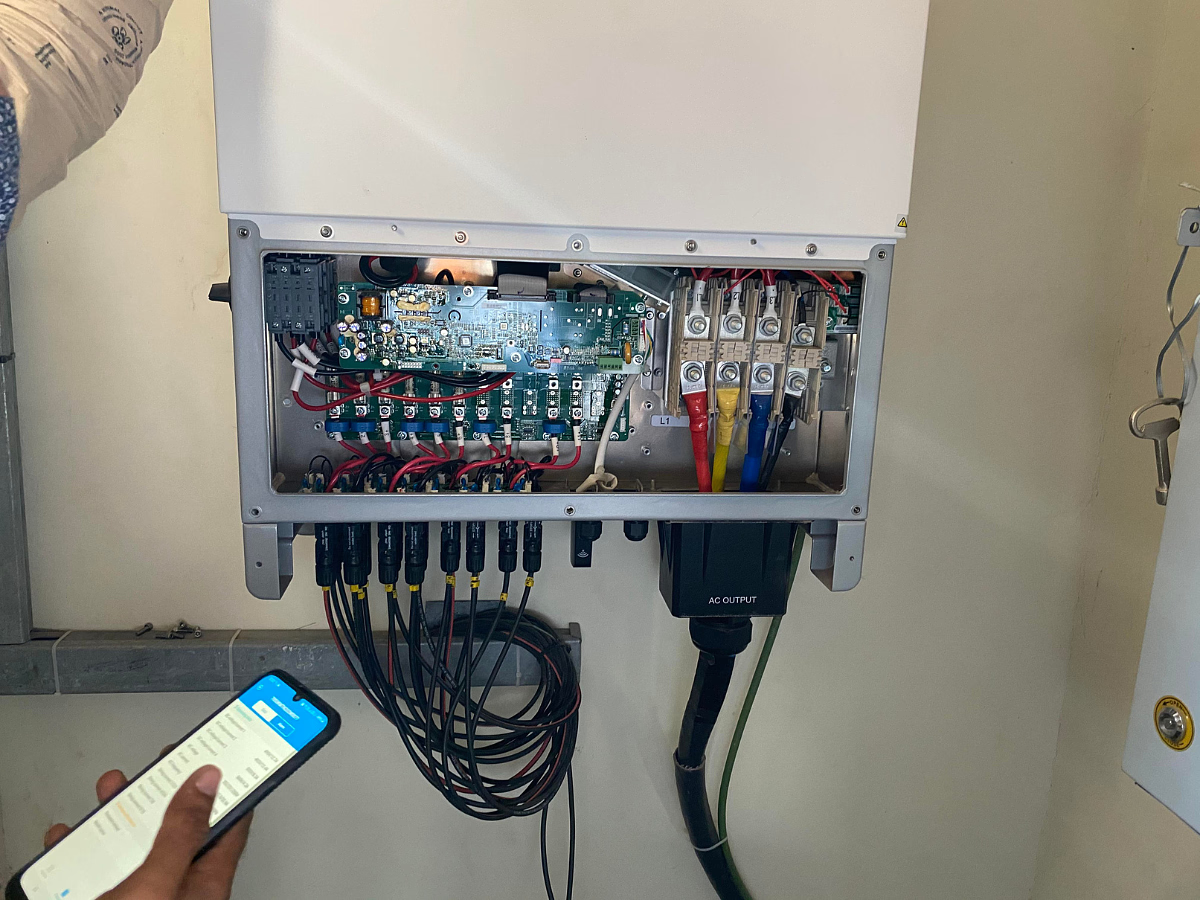
While panels often receive the most attention, the inverter is the core component that converts solar energy into usable electricity. Routine inverter checks are essential to maintain safe and consistent energy flow.
What to Inspect
1. Indicator lights: Ensure your inverter’s display shows normal operation (typically a green light).
2. Error messages: Address any warning codes immediately using the manufacturer’s guide or by consulting a professional.
3. Noise or overheating: Excessive humming or high heat output could signal internal issues.
Monitoring System Performance
Modern solar systems often include remote monitoring features, allowing you to track performance via an app or web portal. Set up alerts for underperformance so you can address issues promptly.
If you notice a sudden decline in energy generation, it may indicate dirt accumulation, shading, or inverter inefficiency. Logging your system’s daily or weekly production helps establish performance patterns and detect anomalies early.
Warranty Upkeep and Documentation
Solar systems typically come with separate warranties for panels, inverters, and installation workmanship. However, maintaining these warranties often depends on regular upkeep and accurate record-keeping.
Here’s how to ensure your warranty remains valid:
1. Keep a maintenance log: Record all professional inspections, cleanings, and repairs.
2. Follow manufacturer guidelines: Adhere to cleaning and service intervals specified in your warranty documentation.
3. Retain invoices: Proof of professional service can be vital if you need to make a warranty claim.
By keeping your warranty conditions intact, you safeguard your system against unexpected expenses while ensuring that future servicing or replacements remain covered.
Remote Diagnostics and Preventive Maintenance
As technology advances, remote diagnostics have become an invaluable tool for identifying and addressing solar performance issues. Many modern inverters and monitoring systems allow technicians to remotely assess your system’s data, pinpointing inefficiencies or faults before they impact your energy production.
In Western Australia, this is particularly beneficial for regional homeowners or agricultural solar setups where on-site visits may be less frequent. Remote diagnostics can identify:
1. Performance degradation trends
2. Inverter or string faults
3. Voltage irregularities
4. Overheating or shading issues
By addressing these problems early, you can avoid major repairs and maintain a consistent energy yield year-round.
By addressing these problems early, you can avoid major repairs and maintain a consistent energy yield year-round. For any recurring technical concerns, it’s advisable to consult a local professional experienced in solar maintenance and system monitoring.
Signs Your Solar System Needs Attention
Even with regular maintenance, there are tell-tale signs your system might require immediate inspection:
1. Noticeable drop in energy production
2. Unusual inverter noise or warning lights
3. Persistent shading or debris visible on panels
4. Corrosion around mounting frames or connectors
5. Water pooling or bird nests near panels
Ignoring these issues can accelerate wear and reduce your system’s lifespan. Early intervention is key to preventing small faults from becoming costly repairs.
Seasonal Considerations for Solar Maintenance in WA
The WA climate varies from coastal humidity to inland aridity, making seasonal maintenance particularly important:
1. Summer: Focus on inverter ventilation and keeping panels dust-free during dry conditions.
2. Autumn: Remove fallen leaves or organic debris before rainfall increases.
3. Winter: Check for shading caused by low sun angles or nearby growth.
4. Spring: Perform a full inspection before peak solar generation months.
Regular, seasonal checks not only help maintain optimal performance but also align your system’s upkeep with local environmental conditions.
Common Causes of Performance Degradation
Over time, even well-maintained panels experience natural wear, typically resulting in about 0.5% to 1% annual efficiency loss. However, certain external factors can accelerate performance degradation:
1. Salt corrosion: Common in coastal WA, especially near Geraldton and Fremantle.
2. Dust accumulation: Frequent in regional and agricultural zones.
3. Bird droppings and sap: These can cause hot spots and microcracks.
4. Faulty connectors: Poor electrical connections can reduce current flow.
Addressing these risks through consistent maintenance can extend your system’s lifespan by several years.
DIY vs. Professional Maintenance
While homeowners can perform basic cleaning and visual checks, certain tasks should always be handled by qualified technicians. Professional maintenance includes:
1. Detailed inverter and electrical inspection
2. Remote performance analysis
3. Thermal imaging for fault detection
4. Comprehensive safety checks
DIY efforts are best limited to visual monitoring and light cleaning under safe conditions. For anything involving wiring, diagnostics, or roof access, it’s safer and more effective to rely on licensed professionals.
Final Thoughts
Maintaining your solar system isn’t just about keeping it clean—it’s about ensuring safety, reliability, and long-term efficiency. With Western Australia’s unique climate challenges, proactive maintenance plays a crucial role in extending system lifespan and sustaining strong energy returns.
From inverter checks to seasonal cleaning, each task contributes to consistent performance and reduced downtime. If you need professional support or have concerns about your system’s performance, you can contact MaxSolar for expert maintenance assistance and reliable service across WA. By investing a small amount of time and care, you can continue to benefit from your solar investment for decades to come.
Frequently Asked Questions
1. How often should I clean my solar panels in WA?
Most homeowners should clean panels once or twice a year. However, in coastal or dusty regions, quarterly cleaning may be necessary to maintain efficiency.
2. Can I clean my solar panels myself?
Yes, if it’s safe to access your roof and panels. Use a soft brush and mild soapy water. Avoid standing directly on panels or using harsh chemicals.
3. What happens if I skip solar maintenance?
Neglecting maintenance can cause reduced performance, inverter faults, and potential warranty invalidation due to lack of proper care.
4. How do I know if my solar inverter is working properly?
Check the inverter’s display for green operation lights and normal readings. Any error codes or red indicators suggest issues that require professional inspection.
5. Does cleaning really improve solar efficiency?
Yes. Even a light layer of dust can reduce panel efficiency by 5–10%, making cleaning an essential maintenance task.