
Installing solar panels for home begins with understanding how much electricity your household consumes and how that usage shifts throughout the day. In the South West of WA, households in Busselton, Dunsborough and Margaret River often have distinct patterns, seasonal air-conditioning loads, holiday-period occupancy changes, and lifestyle appliances like pool pumps, bore pumps or workshop equipment.
At MaxSolar, this initial assessment forms an important part of planning, because identifying energy patterns helps determine the system size best suited to your household (rather than a one-size-fits-all “package”). Reviewing previous electricity bills provides a clear picture of baseline consumption, including peak periods, seasonal changes and overall energy behaviour. Homes with appliances that operate regularly, such as pool pumps, air conditioning or electric hot water systems, often benefit from system designs that reflect their daily routines.
Every household uses energy differently, and these differences influence the type of solar system required. While general assumptions can be helpful, an individual assessment allows for more accurate planning before installation. A well-informed homeowner gains a clearer understanding of how solar panels can support long-term energy needs, particularly in coastal and regional conditions across the Busselton–Dunsborough–Margaret River corridor.
Assessing Roof Suitability
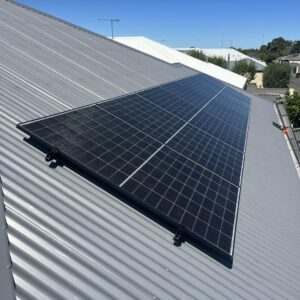
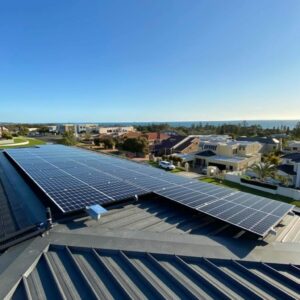
Roof suitability is one of the most important factors in preparing for solar panels at home. The angle, pitch and orientation of your roof directly influence how much sunlight the panels will receive. In Australia, north-facing roofs typically offer the best exposure, but competent installers can design solutions for various roof directions depending on shading and available space.
In the South West, roof suitability also comes down to local factors: coastal wind exposure, salt air near the Busselton and Dunsborough coastline, and shading from mature trees common in established neighbourhoods and semi-rural blocks. During a site inspection, the roof structure, age and material are examined to ensure safe installation. Technicians also assess shading from nearby trees, vents or neighbouring buildings. Even minor shading can reduce panel performance, which is why accurate assessment is essential.
A structurally sound roof with good sunlight exposure will support long-term system stability, and a careful on-site assessment helps avoid “cookie-cutter” layouts that don’t match the property.
System Design and Layout
A well-structured system design ensures the solar installation performs as expected. System design includes determining the number of panels needed, choosing the appropriate configuration and planning the layout. This planning stage considers electrical pathways, inverter placement and compliance requirements under Australian Standards.
Accurate design is important to ensure the system supports your energy needs and aligns with site conditions. Installers plan wiring routes to maintain safety, avoid unnecessary exposure and ensure accessibility for future servicing. This matters for homes across South West WA where roof shapes, switchboard locations and cable run lengths can vary significantly between older homes and newer builds.
A well-designed system contributes to long-term efficiency, safety and reliability, especially when it is tailored to how your household actually uses power.
Choosing Solar Panels and Components
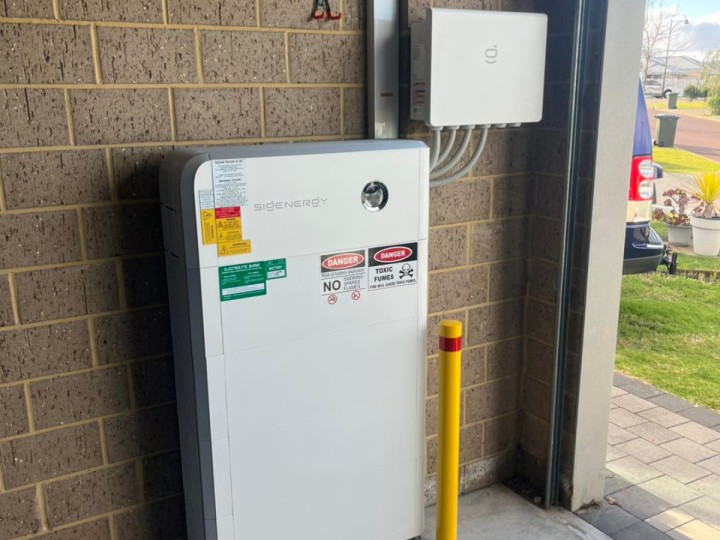
Selecting suitable components influences the performance and longevity of solar panels for home use. Panels differ in efficiency, durability and appearance, and choosing a product that matches your expected energy output is essential. The inverter plays a central role by converting solar energy into usable power for your household. Its size, quality and configuration influence overall performance.
Additional components such as mounting hardware, isolators, wiring and safety equipment must meet industry standards. Quality components support system stability and reduce the risk of performance issues. In South West coastal conditions, component choice and installation quality matter because exposure to sun, wind and moisture can accelerate wear on external equipment over time.
When working with qualified professionals, homeowners receive guidance based on compliant and reliable products suited to their property and energy goals, rather than being pushed into a standardised franchise bundle. (Read more about solar panels for home)
Electrical Safety and Compliance
Electrical safety is a required part of solar installation in Australia. Every element must be installed in accordance with local and national electrical regulations. This includes correct installation of isolation devices, compliant cable management and accurate labelling. A licensed installer performs each task to maintain safety for the homeowner and anyone who may work on the system in the future.
Compliance ensures that the system is safe to operate and fits within the structure of the local electricity network. Final testing confirms correct operation and electrical integrity before the system becomes active. Safety and compliance are central parts of every installation and support long-term system performance.
Understanding the Installation Process
Understanding the solar installation process can help homeowners plan effectively. The process usually begins with a detailed site assessment to determine roof suitability, electrical requirements and design considerations. Once the design is finalised, equipment is prepared, and installation is scheduled.
Technicians mount the panels, install the inverter, complete electrical wiring and perform all required safety work. Installation time varies depending on system size and site conditions. After installation, the system undergoes testing, and homeowners are shown the basic functions of the system.
Knowing the steps ahead of time can make the process clearer and more manageable, particularly for South West households where roof access, weather windows, and switchboard upgrades may affect scheduling.
Solar Monitoring and System Checks
Monitoring systems offer ongoing insight into daily performance. Most modern solar systems include monitoring features that allow homeowners to check production levels, view changes and identify irregular patterns. Regular system checks can detect developing issues early, such as shading changes, connectivity issues or reduced output.
Monitoring does not replace professional maintenance, but it helps homeowners understand how the system behaves over time. A technician may review monitoring data during maintenance visits to assess system performance and identify areas requiring attention.
For many South West WA households, monitoring is also practical for spotting seasonal shifts, like winter production changes, new shading from tree growth, or unexpected drops after storms.
Maintenance Considerations
Although solar systems generally require minimal upkeep, periodic maintenance remains important for long-term reliability. Maintenance checks may include assessing panel condition, reviewing electrical connections, testing system output and ensuring that mounting hardware remains secure.
Maintenance ensures compliance with evolving standards and identifies wear that could affect performance. In coastal areas around Busselton and Dunsborough, maintenance can be particularly valuable for confirming that external electrical components and mounting hardware remain secure and in good condition over time.
Consistent inspections support system safety and help extend the lifespan of components. Understanding the role of maintenance prepares homeowners for responsible system ownership.
Cost Factors to Understand
Cost is an important part of planning solar panels for home installation. Several factors influence total system cost, including panel type, inverter selection, system size, roof structure and overall installation complexity. Homes with older switchboards or unique roof layouts may require additional preparation.
A clear explanation of these factors helps homeowners make informed decisions. While cost is a key consideration, choosing quality components and a suitable system design supports long-term value and safety, especially when you’re aiming for a system that suits your household (not a mass-produced template).
Comparison Table: Key Pre-Installation Factors
| Factor | Why It Matters | What Homeowners Should Consider |
|---|---|---|
| Energy usage | Determines system size | Review previous electricity bills and note daytime vs evening use |
| Roof condition | Influences panel placement | Assess shading, structure and material; consider coastal exposure in the South West |
| System design | Supports long-term performance | Layout, wiring and access points; allow for future servicing |
| Component selection | Impacts efficiency and reliability | Choose compliant panels and inverters suited to your goals and site conditions |
| Safety compliance | Required by regulation | Ensure work is completed by licensed installers with proper testing and labelling |
| Installation process | Helps plan expectations | Understand the steps, approvals and the likely timeline for your property |
Conclusion
Solar panels for home installation provide a long-term energy solution when planned carefully and installed by qualified professionals. Understanding key factors such as roof suitability, system design, component selection and safety requirements helps homeowners make informed decisions.
A clear approach before installation supports system performance and long-term reliability, especially across the South West of WA where coastal conditions, seasonal weather and varied housing types can influence system outcomes. If you would like your solar system assessed or need support from a qualified local team at MaxSolar in Busselton, Dunsborough or Margaret River, contact us today.
Frequently Asked Questions
What affects how many panels I will need in Busselton, Dunsborough or Margaret River?
Panel count is mainly driven by your electricity usage, your roof’s usable area, and how the system is designed (panel orientation, inverter sizing and any shading). In the South West, it’s also worth factoring in seasonal changes, like higher summer cooling loads or increased occupancy during holiday periods.
Do all roofs support solar panel installation in the South West of WA?
Most roofs can support solar, but viability depends on roof condition, orientation, available space, and shading (trees and nearby structures). Coastal exposure can also influence hardware choices. A proper on-site assessment is the best way to confirm suitability before committing.
If my roof isn’t north-facing, is solar still worth it?
Often, yes. While north-facing is generally ideal, experienced installers can design around east/west roof planes, available space and shading to build a system that matches your household’s daytime demand. The right design depends on your goals (bill reduction, self-consumption, future battery, etc.).
What should I look for to avoid a “cookie-cutter” solar install?
Look for an installer who completes a genuine site assessment and talks through panel layout, inverter placement, cable runs, and any switchboard or compliance requirements, rather than quoting a standard package without addressing your roof constraints and usage patterns.
Is solar monitoring necessary, or just a “nice-to-have”?
Monitoring is strongly recommended. It helps you verify the system is producing as expected, spot drops in output (from shading changes, faults or connectivity issues), and provides useful context during maintenance visits. It’s one of the easiest ways to keep confidence in system performance over time.
How often should a system be checked once installed in coastal areas like Busselton or Dunsborough?
Many homeowners book periodic inspections (often annually), but frequency depends on exposure and site conditions. Coastal properties and homes near heavy vegetation may benefit from more regular checks to confirm panel condition, electrical safety, and mounting integrity.
Will I need a switchboard upgrade before solar can be installed?
Sometimes. If the switchboard is older or lacks capacity for new circuits and safety devices, an upgrade may be required to meet safety and compliance standards. This is normally identified during the initial inspection and quoted transparently upfront.